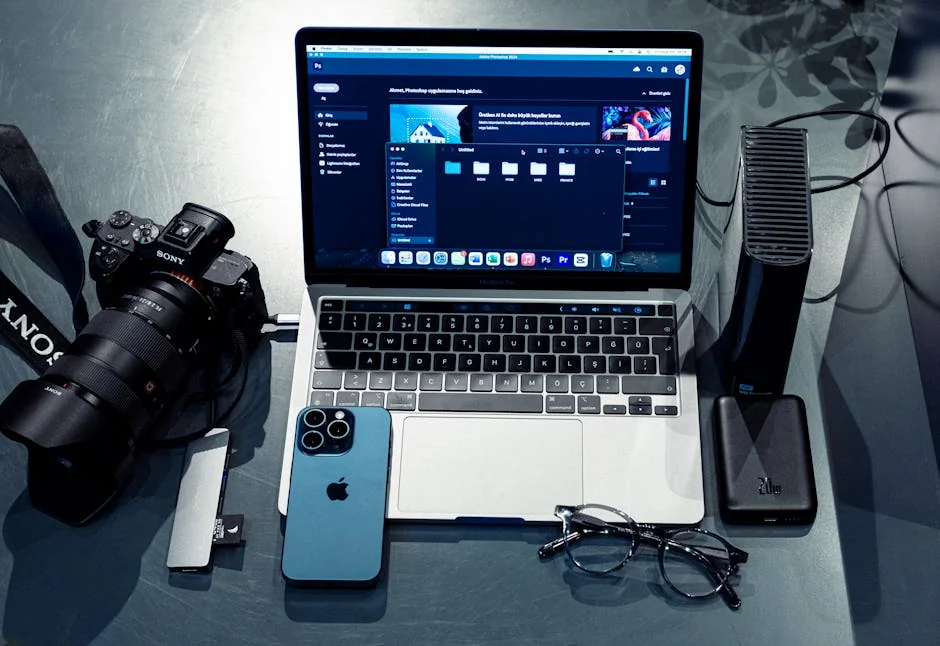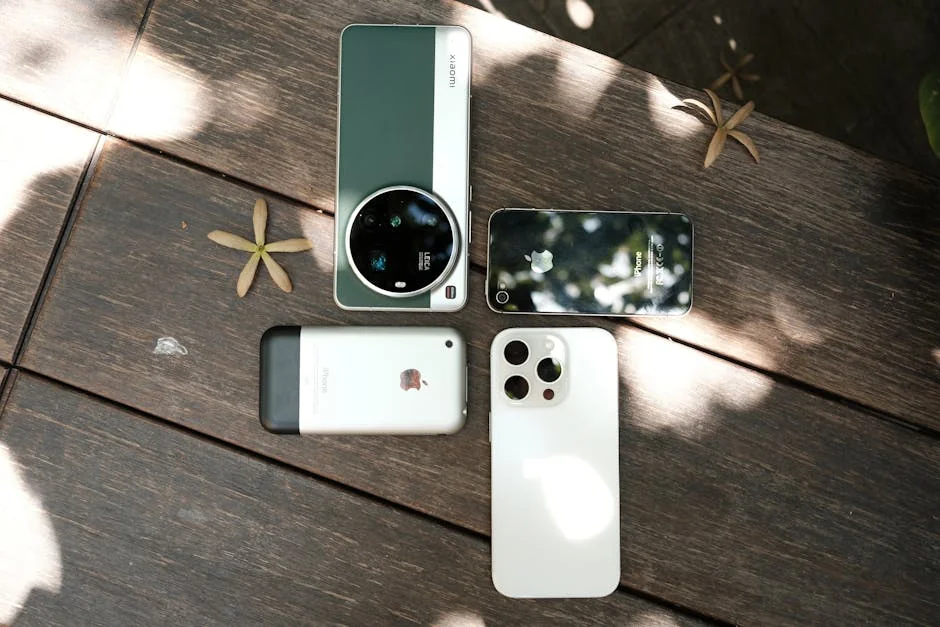
Introduction
Technology moves fast, and it often feels like every new release promises a better, smarter, and more efficient life. But upgrading too quickly can lead to wasted money, unnecessary clutter, and devices that do not actually improve your routine. That is why understanding the Factors to consider before upgrading your daily tech gadgets is essential for smart decision-making.
Table of Contents
- Introduction
- Assess Your Actual Needs Before Buying
- Compare Cost, Value, and Long-Term Ownership
- Evaluate Performance, Compatibility, and Ecosystem Fit
- Consider Repairability, Durability, and Sustainability
- Time Your Upgrade Strategically
- FAQ
- How do I know if I really need a gadget upgrade?
- Is it better to buy the newest model or an older discounted one?
- Why does compatibility matter when upgrading gadgets?
- How can I upgrade my gadgets more sustainably?
- What should matter more: price or long-term value?
- Conclusion
Before replacing your phone, laptop, smartwatch, earbuds, or tablet, it helps to look beyond marketing hype and focus on real needs. Performance, compatibility, cost, sustainability, and long-term value all matter. When you evaluate the Factors to consider before upgrading your daily tech gadgets, you can avoid impulse purchases and choose devices that truly support your work, entertainment, and daily habits. A thoughtful upgrade strategy saves money and ensures every purchase adds meaningful value.
Assess Your Actual Needs Before Buying
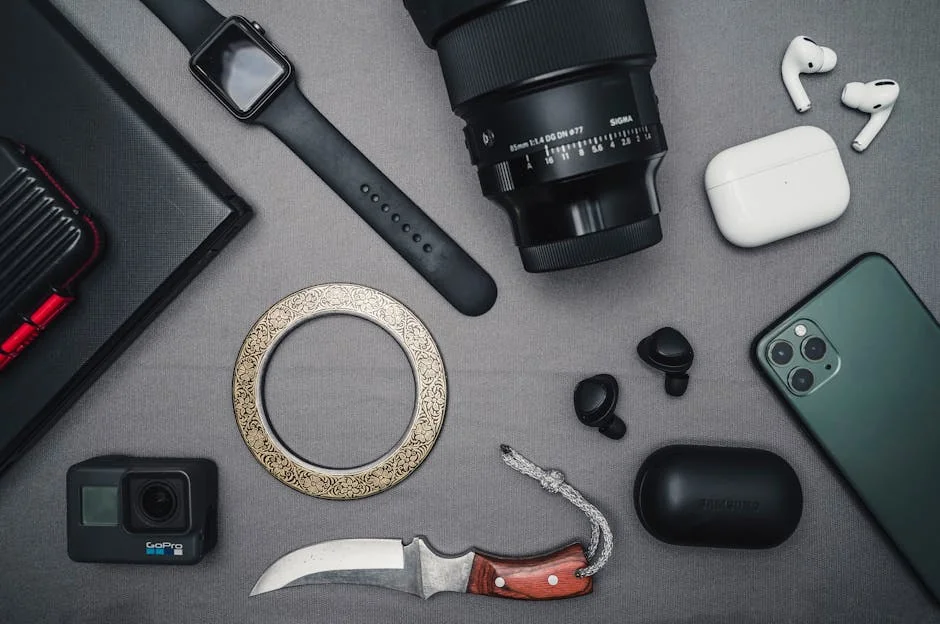
One of the most important Factors to consider before upgrading your daily tech gadgets is whether you genuinely need an upgrade at all. Many consumers replace devices because of trends, launch events, or advertising, not because their current gadget can no longer handle daily tasks. A new device may look appealing, but appearance alone rarely justifies the expense.
Start by examining how your current gadget performs in real-life situations. Does your smartphone battery drain too quickly? Is your laptop unable to run the software you rely on for work or study? Are your wireless earbuds producing poor sound quality or failing to hold a charge? If the device still handles your core tasks without major frustration, upgrading may not be necessary yet.
A useful method is to list the problems you face with your current device and separate minor inconveniences from major limitations. Minor issues, such as slightly slower app loading or cosmetic scratches, may not justify spending hundreds or thousands of dollars. On the other hand, frequent crashes, security update issues, failing hardware, or inability to support your workload may indicate a practical need for replacement.
Another point to consider is how your needs may have changed. A person who now works remotely might need a faster laptop, better webcam, and noise-canceling headphones. Someone focused on fitness may benefit more from a smartwatch with advanced health tracking. In this case, the Factors to consider before upgrading your daily tech gadgets should be based on lifestyle changes rather than product hype.
You should also ask whether a small fix can extend the life of your existing gadget. A battery replacement, storage cleanup, software update, or accessory upgrade may restore performance at a fraction of the cost of a new device. In many cases, repairs and optimization can delay the need for replacement and improve value.
Ultimately, smart tech buying starts with honesty. If your current gadget still supports your everyday routine, it may be wiser to wait. If it actively slows down your productivity, safety, communication, or comfort, then an upgrade becomes more reasonable.
Compare Cost, Value, and Long-Term Ownership
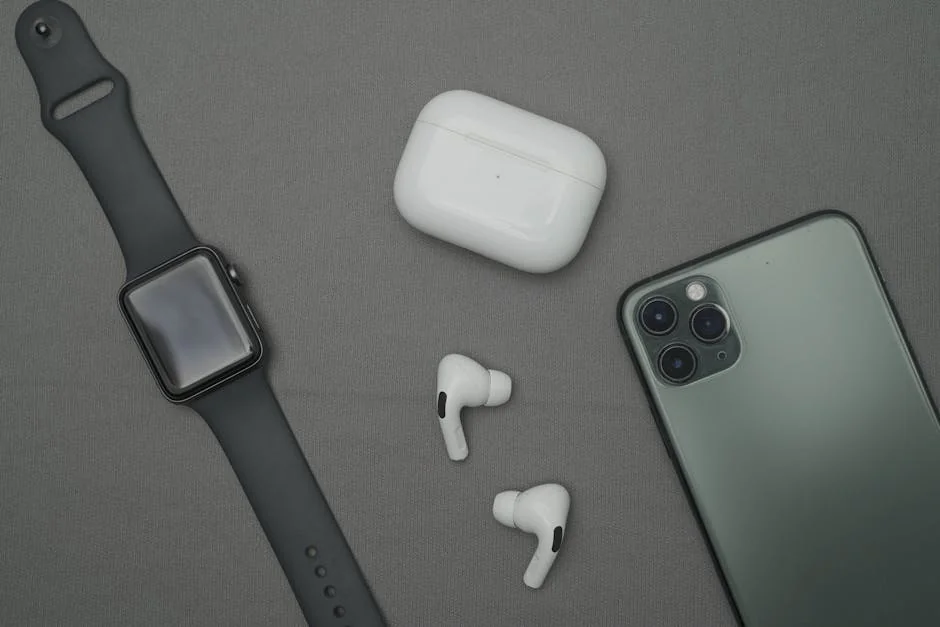
When thinking about the Factors to consider before upgrading your daily tech gadgets, cost should be viewed as more than the sticker price. Many buyers focus only on the upfront expense and forget the long-term ownership costs that come with modern technology. A gadget that seems affordable today may become expensive over time due to accessories, repairs, software subscriptions, or reduced durability.
Begin by setting a realistic budget. Determine how much you can spend without affecting essential financial priorities. Then compare devices within that range based on features that matter most to you. The most expensive option is not always the best. In fact, mid-range devices often provide the best balance between price and performance for daily users.
Value comes from how well the gadget serves your needs over time. A cheaper laptop with limited memory and a weak processor may need replacement much sooner than a slightly more expensive model with stronger specifications. Similarly, a budget smartphone with short software support may not be as cost-effective as a premium model that receives updates for several years. This is why the Factors to consider before upgrading your daily tech gadgets must include expected lifespan and future usability.
You should also account for hidden expenses. A new phone might require a protective case, charger, wireless accessories, or cloud storage plan. A tablet may need a keyboard or stylus to become truly useful. A smartwatch may involve a premium app subscription to unlock full health tracking features. If you ignore these extra costs, your upgrade budget can quickly expand.
Resale and trade-in value matter too. Some brands hold their value better than others, making future upgrades more affordable. If you tend to replace gadgets every few years, choosing products with strong resale demand can reduce your total cost of ownership.
Financing is another issue. Monthly payment plans can make gadgets feel easier to afford, but they may also encourage unnecessary spending. Always calculate the total amount you will pay over the full term, including interest or fees if applicable.
The smartest buyers think in terms of total value, not just price. By weighing performance, support duration, repair costs, accessories, and resale potential, you can make a more informed decision that fits both your lifestyle and your finances.
Evaluate Performance, Compatibility, and Ecosystem Fit
Another of the major Factors to consider before upgrading your daily tech gadgets is how well a new device will perform and whether it fits smoothly into your existing tech setup. Even an impressive gadget can become frustrating if it does not work well with the devices, apps, and services you already use every day.
Performance should be measured according to your usage, not just marketing claims. If you mainly browse the web, stream video, send messages, and use social media, you may not need the highest-end processor or the most advanced graphics capabilities. But if you edit videos, run demanding software, play modern games, or multitask heavily, you should pay close attention to RAM, storage speed, processor power, and battery efficiency.
Battery life is especially important for daily tech gadgets. A phone, smartwatch, tablet, or laptop that needs constant charging can quickly become inconvenient. Look at independent battery tests rather than relying only on manufacturer claims. Real-world performance often differs from promotional numbers.
Compatibility is equally critical. Before upgrading, check whether the new device supports your essential apps, accessories, charging cables, wireless standards, and file systems. For example, switching from one mobile operating system to another might affect app purchases, cloud syncing, messaging habits, or smartwatch compatibility. These practical issues are often overlooked, even though they are among the top Factors to consider before upgrading your daily tech gadgets.
The broader ecosystem matters too. Many people use multiple devices from one brand because they work together seamlessly. Shared messaging, automatic file transfer, synchronized notes, universal copy and paste, device tracking, and integrated accessories can all improve convenience. If you are already invested in one ecosystem, moving to another may create friction, extra costs, or lost features.
Storage and connectivity should not be ignored. Ask whether the gadget has enough internal storage for your files, photos, apps, and media. Also consider whether it supports current connectivity options such as Wi-Fi standards, Bluetooth versions, USB-C, or 5G, depending on the device category.
Software support is another major point. A gadget may perform well today but become less useful if it stops receiving updates soon. Security patches, operating system upgrades, and feature improvements all help extend product life and protect your data. For this reason, one of the most practical Factors to consider before upgrading your daily tech gadgets is how many years of support the manufacturer promises.
Choosing a device that fits your ecosystem and usage habits will almost always produce more satisfaction than simply chasing the newest specifications.
Consider Repairability, Durability, and Sustainability
A growing number of consumers now recognize that the Factors to consider before upgrading your daily tech gadgets should include environmental and practical concerns, not just speed and style. Durability, repairability, and sustainability all affect whether an upgrade is responsible and worthwhile.
Durability matters because daily gadgets face constant wear. Phones are dropped, laptops are transported, earbuds are used in varied conditions, and smartwatches are exposed to sweat and weather. Before upgrading, check build quality, water resistance, hinge strength, screen protection, and brand reputation for reliability. A device that lasts longer offers better value and creates less electronic waste.
Repairability is just as important. Some gadgets are easy to service, with replaceable batteries, accessible screws, and widely available spare parts. Others are difficult or expensive to repair, which can force early replacement even when only one component fails. If you want to make smarter long-term purchases, include repair options among the key Factors to consider before upgrading your daily tech gadgets.
Look into warranty terms and service availability in your area. A strong warranty can reduce risk, especially for expensive devices like laptops, phones, and tablets. Also check whether authorized repairs are affordable and whether third-party repair shops can access parts. A gadget with no realistic repair path may cost more in the long run.
Sustainability should not be treated as a minor issue. Manufacturing electronics requires raw materials, energy, shipping, and packaging, all of which have environmental impacts. Upgrading too often contributes to e-waste and resource consumption. This does not mean you should never buy new technology, but you should upgrade with intention.
One sustainable approach is to choose products made with recycled materials, energy-efficient components, or environmentally responsible packaging. Another is to trade in, resell, donate, or recycle your old gadgets properly instead of leaving them unused in a drawer. Thinking through the Factors to consider before upgrading your daily tech gadgets can help you reduce waste while still enjoying useful innovation.
You may also want to support brands that offer longer software support and public commitments to repairability. These policies signal that the company values product longevity rather than encouraging constant replacement.
In the end, a durable and repairable gadget is often the better investment. It can continue serving you longer, cost less to maintain, and reduce the environmental impact of your technology habits.
Time Your Upgrade Strategically
Timing is one of the most overlooked Factors to consider before upgrading your daily tech gadgets. Even if you have decided that a new device is necessary, buying at the wrong time can mean paying too much or missing out on better options that are about to launch.
Tech products often follow predictable release cycles. Smartphones, tablets, laptops, smartwatches, and headphones from major brands are frequently updated at similar times each year. If a new model is expected soon, it may be worth waiting. You could either buy the new version with improved features or get the older model at a discounted price once the latest release arrives.

Seasonal sales also matter. Events such as Black Friday, back-to-school promotions, holiday sales, and brand-specific launch discounts can significantly reduce costs. If your current gadget still works well enough for a few more months, strategic timing can improve the value of your purchase.
Another part of the Factors to consider before upgrading your daily tech gadgets is product maturity. Buying a first-generation device can be exciting, but it may also come with bugs, limited accessory support, or unclear long-term reliability. Waiting for reviews, software updates, and user feedback can help you avoid expensive mistakes.
You should also think about urgency. If your current device is failing, lacks security updates, or interferes with essential work, delaying may not be practical. In that case, buying sooner is justified. But if the upgrade is mostly for convenience or curiosity, patience may lead to a better deal or a better product.
Review data from trusted sources before making a final choice. Compare professional reviews with user experiences to see whether there are recurring issues such as overheating, weak battery life, fragile construction, or software glitches. Real-world feedback often reveals problems that spec sheets do not show.
Timing your purchase well can improve your return on investment. Rather than upgrading impulsively, align your decision with product cycles, discounts, and your actual urgency. That simple step can make the entire process far more efficient and satisfying.
FAQ
How do I know if I really need a gadget upgrade?
A simple way to judge the Factors to consider before upgrading your daily tech gadgets is to look at daily performance. If your device crashes often, no longer receives security updates, cannot run essential apps, or seriously affects productivity, an upgrade may be justified. If the issues are minor, repair or maintenance may be enough.

Is it better to buy the newest model or an older discounted one?
Among the Factors to consider before upgrading your daily tech gadgets, value is key. The newest model may offer better performance, battery life, or longer software support, but an older discounted version can be a smarter buy if it still meets your needs. Compare real improvements instead of assuming newer always means better.
Why does compatibility matter when upgrading gadgets?
Compatibility is one of the most important Factors to consider before upgrading your daily tech gadgets because your new device must work with your apps, accessories, chargers, and other devices. Poor compatibility can create extra costs, inconvenience, and workflow problems that reduce the benefit of the upgrade.
How can I upgrade my gadgets more sustainably?
To handle the Factors to consider before upgrading your daily tech gadgets responsibly, keep devices longer when possible, repair them when practical, and recycle or resell old products properly. You can also choose brands that provide long software support, durable construction, and better repair options.
What should matter more: price or long-term value?
When reviewing the Factors to consider before upgrading your daily tech gadgets, long-term value usually matters more than the lowest price. A device with better durability, support, and performance may save money over time by lasting longer and requiring fewer replacements or repairs.
Conclusion
Making a smart upgrade decision requires more than excitement about the latest release. You need to evaluate your actual needs, compare cost and long-term value, check compatibility, consider durability, and choose the right time to buy. These are the core Factors to consider before upgrading your daily tech gadgets, and they can help you avoid wasteful purchases while improving your everyday digital experience.
When you carefully review the Factors to consider before upgrading your daily tech gadgets, you gain more control over your budget, reduce unnecessary upgrades, and select devices that genuinely match your lifestyle. Instead of chasing every new launch, focus on practical performance, reliable support, and lasting value. That approach leads to smarter purchases, better satisfaction, and a more efficient relationship with the technology you use every day.