Introduction
this is a practical skill that can save money, reduce waste, and help you build a safer, longer-lasting home. Many products look impressive on a shelf or in an online listing, yet their real value depends on the materials used, the quality of construction, and how well they stand up to daily wear. From cookware and furniture to bedding, storage containers, and cleaning tools, knowing what to look for can help you avoid cheaply made items that need frequent replacement. This guide explains it by focusing on durability, safety, feel, finish, and performance, so you can make smarter purchasing decisions with confidence.
Why Material Quality Matters in Daily Home Purchases

Learning these begins with understanding why material quality matters so much. Household products are not just decorative purchases. They are items you touch, use, clean, heat, wash, store, and depend on repeatedly. If materials are poor, the product may crack, warp, stain, pill, rust, or break long before it should.
Table of Contents
- Introduction
- Why Material Quality Matters in Daily Home Purchases
- Key Signs of High-Quality Materials Across Common Household Items
- 1. Weight and density
- 2. Surface consistency
- 3. Joinery and construction
- 4. Resistance to common damage
- 5. Transparent labeling
- 6. Performance-focused design
- How to Evaluate Specific Materials in Furniture, Textiles, and Kitchenware
- Furniture
- Textiles
- Kitchenware
- Red Flags That Suggest Low-Quality Household Materials
- Strong chemical odors
- Excessive lightness or flimsiness
- Uneven seams, rough edges, or visible defects
- Marketing language without material specifics
- Fake visual cues
- Fast deterioration in sample or display condition
- Smart Buying Tips to Choose Better Materials Every Time
- Read beyond the front label
- Touch and test whenever possible
- Think about the product’s real job
- Compare warranty and care recommendations
- Use reviews strategically
- Buy fewer, better items
- FAQ
- What is the easiest way to learn how to spot high-quality materials in everyday household goods?
- Are natural materials always better than synthetic ones?
- How can I tell if stainless steel household items are good quality?
- Is expensive always equal to high quality?
- What household items are most worth upgrading for better materials?
- Conclusion
High-quality materials often deliver better long-term value, even when the initial purchase price is higher. A well-made stainless steel pan may last years longer than a thin, low-grade alternative. Solid wood furniture can often be repaired or refinished, while particleboard may deteriorate after one move or a little moisture exposure. Cotton towels with dense loops generally absorb better and last longer than loosely woven synthetic versions.
There is also a health and safety angle. Understanding they helps you identify items less likely to contain harmful coatings, unstable plastics, weak handles, or finishes that degrade quickly. In kitchens, bathrooms, and children’s spaces especially, material choice matters for hygiene and reliability.
Another major benefit is sustainability. Products made from durable metals, dense natural fibers, strong glass, quality ceramics, and responsibly sourced wood usually remain useful longer. That means fewer replacements, less landfill waste, and less money spent over time. In many cases, quality materials also age better. Leather can develop character, wood can gain warmth, and stainless steel can retain a polished, functional look for years.
When you know the concept, you stop shopping only by color, trend, or packaging. Instead, you begin evaluating products with a sharper eye, focusing on performance, longevity, and genuine value.
Key Signs of High-Quality Materials Across Common Household Items
A reliable way to learn the approach is to look for universal signs that apply across many product categories. While standards differ between cookware, textiles, furniture, and storage items, several quality indicators appear again and again.
1. Weight and density
Quality materials usually feel appropriately substantial for the item. This does not mean heavier is always better, but a product should not feel flimsy or hollow unless it is specifically designed to be lightweight. Stainless steel bowls, ceramic mugs, wooden utensils, and glass containers should feel balanced and sturdy. A chair that wobbles or a pan that bends too easily is often made with inferior materials.
2. Surface consistency
High-quality products tend to have a smooth, even, and controlled finish. Metals should not have random rough spots or sharp unfinished edges. Wood should not splinter. Fabric should be evenly woven without loose threads, puckering, or thinning areas. Plastic should not show cloudy weakness marks or uneven molding lines.
3. Joinery and construction
Knowing it also means checking how materials are combined. Even good raw materials can be undermined by poor construction. Look at seams, screws, welded joints, stitching, glued areas, and hinges. Tight stitching, secure attachments, and clean assembly are strong signs of better quality.
4. Resistance to common damage
A quality household item is designed to resist the types of wear it will face. In textiles, that may mean dense fibers and reinforced edges. In furniture, it means durable finishes and stable frames. In kitchen tools, it means heat resistance, corrosion resistance, and non-reactive surfaces. Scratch resistance, washability, and moisture tolerance are all practical clues.
5. Transparent labeling
One of the easiest ways to practice this is to read labels carefully. Reputable brands usually specify the grade of stainless steel, type of wood, fabric composition, care instructions, and safety certifications. Vague terms like “premium blend,” “engineered finish,” or “luxury feel” without specifics can be a warning sign.
6. Performance-focused design
Products made from quality materials are usually designed with actual use in mind. Handles are comfortable, lids fit securely, textiles hold shape, and surfaces are easy to clean. A polished appearance alone should never be mistaken for quality. Good materials perform well under stress and maintain that performance over time.
How to Evaluate Specific Materials in Furniture, Textiles, and Kitchenware
The best way to master how to spot high-quality materials in everyday household goods is to evaluate products by category. Different household items rely on different materials, so your checklist should change depending on what you are buying.

Furniture
For wood furniture, solid hardwoods such as oak, maple, walnut, and ash are often strong indicators of long-term durability. Softwoods can still be good, but they dent more easily. Veneers are not automatically low quality, especially when applied over strong core materials, but extremely thin veneers over particleboard may peel or chip sooner.
Inspect corners, legs, undersides, and drawer interiors. Good joinery, such as dovetail joints in drawers, is often a sign of careful craftsmanship. Avoid furniture that relies heavily on staples, weak glue points, or thin backing boards in load-bearing areas.
Metal furniture should have a stable frame, smooth welds, and a finish that resists rust and chipping. If you are learning how to spot high-quality materials in everyday household goods, always test stability. A quality table or shelf should not rock or flex under normal pressure.
Textiles
Bedding, towels, curtains, rugs, and upholstery all reveal quality through fiber type, weave, and finish. Natural fibers such as cotton, linen, wool, and silk are often valued for breathability, comfort, and durability, though good synthetics can also perform well in the right context.
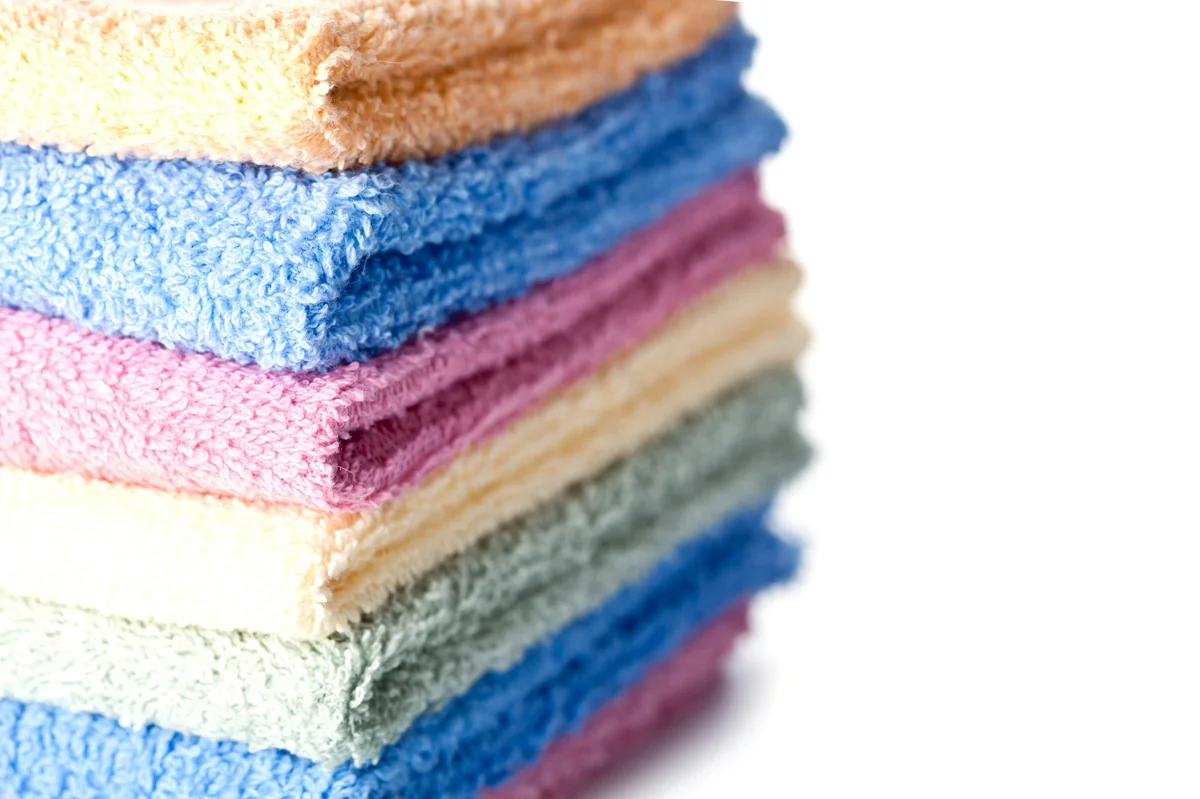
For cotton sheets, look at fiber quality rather than only thread count. Long-staple cotton tends to be softer and more durable than lower-grade cotton. For towels, density and absorbency matter more than flashy packaging. A plush towel with tightly packed loops usually performs better than one that feels soft only because of chemical finishing.
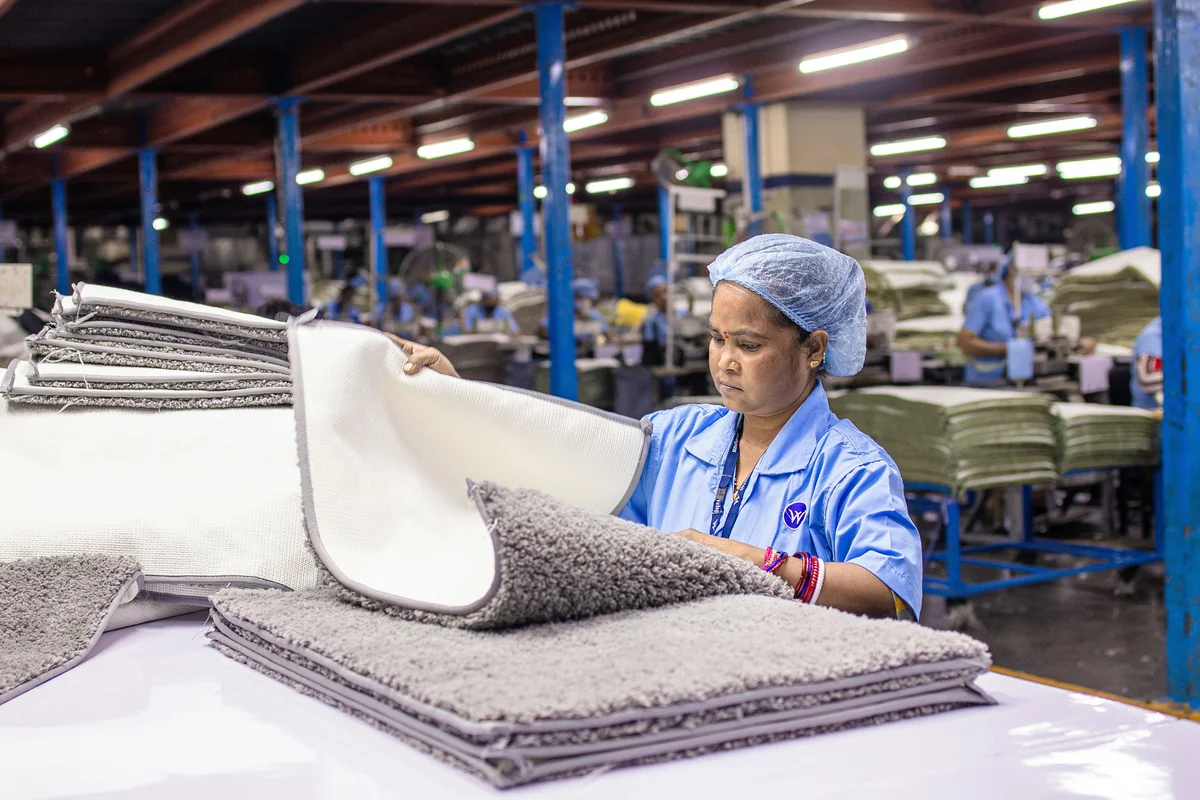
In rugs and upholstery, tightly woven or densely constructed fabric often lasts longer. If a fabric snags easily in the store, it may not survive daily use at home. Practicing how to spot high-quality materials in everyday household goods in textiles means touching, stretching, and inspecting the fabric under light when possible.
Kitchenware
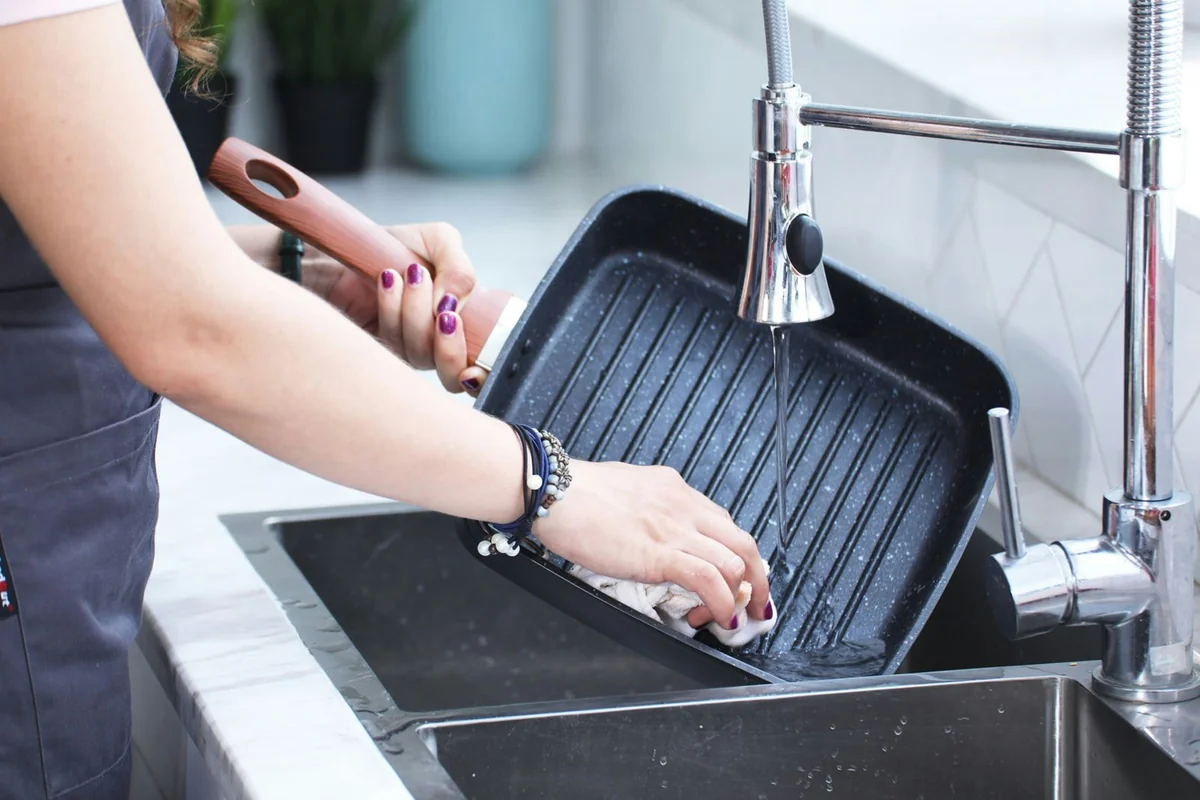
Kitchen goods demand special attention because they face heat, moisture, acids, oils, and constant washing. Stainless steel is often a strong choice, but quality varies. Look for clear labeling such as 18/10 stainless steel for utensils, cookware, or flatware where appropriate. Heavier-gauge steel usually resists denting and warping better.
Cast iron should feel dense and solid, with an even surface and no cracking. Enameled cookware should have a smooth, consistent coating without bubbles or exposed patches. Glass containers should feel thick and tempered where stated. Ceramics should have a uniform glaze and no visible crazing unless intentionally decorative.
If you want to understand how to spot high-quality materials in everyday household goods in the kitchen, compare edges, handles, balance, and interior finish. Thin pans, weak rivets, and poorly bonded coatings often reveal lower quality quickly.
Red Flags That Suggest Low-Quality Household Materials
An important part of how to spot high-quality materials in everyday household goods is knowing what to avoid. Low-quality materials often reveal themselves through small but telling flaws that become bigger problems after only a short period of use.
Strong chemical odors
A powerful plastic, solvent, or artificial fragrance smell may indicate heavy chemical treatments, low-grade plastics, or poorly cured finishes. While some new products naturally have a mild scent, overwhelming odors can be a warning sign, especially in items used around food, heat, or children.
Excessive lightness or flimsiness
A product that feels too thin, brittle, or unstable may not withstand routine wear. This is common in cheap storage bins, flat-pack furniture, utensils, and decorative containers. A lightweight design can be valid, but it should still feel intentional and structurally sound.
Uneven seams, rough edges, or visible defects
Poor stitching, bubbling surfaces, chipped enamel, crooked legs, misaligned lids, or glue residue are all signs of rushed manufacturing. Anyone serious about how to spot high-quality materials in everyday household goods should inspect these details carefully before buying.
Marketing language without material specifics
Terms like “high-end,” “premium,” and “designer quality” mean very little without actual material information. If packaging avoids naming the wood species, metal grade, fiber composition, or finish type, there may be a reason.
Fake visual cues
Some products are designed to imitate quality materials without delivering similar performance. Wood-look laminates, faux metal coatings, and synthetic fabrics disguised as natural fibers can be useful in some cases, but they should be honestly represented. The issue is not imitation itself. The issue is paying premium prices for materials that are only meant to look expensive.
Fast deterioration in sample or display condition
When learning how to spot high-quality materials in everyday household goods, pay attention to floor models and display samples. If a display chair is already wobbling, a pan is scratched, or a towel is fraying before purchase, that tells you a lot about long-term durability.
Smart Buying Tips to Choose Better Materials Every Time
Once you understand how to spot high-quality materials in everyday household goods, the next step is building a reliable buying process. This helps you avoid impulse purchases and compare products more effectively.
Read beyond the front label
Always check the detailed specifications. Look for exact fiber content, metal grade, wood type, coating details, and care instructions. Better brands usually provide this information clearly because it supports their value claim.
Touch and test whenever possible
Online shopping is convenient, but in-store evaluation is useful for products like towels, cookware, chairs, and containers. Touch the item, test the handle, inspect the stitching, and look at the underside. Physical inspection remains one of the best ways to apply how to spot high-quality materials in everyday household goods in real life.
Think about the product’s real job
A material should match the use case. Heavy ceramic may be great for a serving bowl but not ideal for a child’s cup. A natural fiber rug may look beautiful, but a washable synthetic blend could be better in a high-spill area. Quality means suitability as well as durability.
Compare warranty and care recommendations
Manufacturers that use better materials often stand behind their products with stronger warranties or clearer care guidance. An item that cannot handle normal washing, moderate heat, or basic use may not be a good long-term choice.
Use reviews strategically
Customer reviews can reveal how products perform after months of use. Look for comments about pilling, rusting, peeling, sagging, staining, or breakage. To improve your skill in how to spot high-quality materials in everyday household goods, focus on reviews that describe performance over time rather than first impressions.
Buy fewer, better items
One of the smartest household strategies is to invest more carefully in items you use every day. Sheets, towels, knives, pans, dining chairs, and storage containers affect daily comfort and function. Spending a little more on proven materials often leads to lower total cost over time.
FAQ
What is the easiest way to learn how to spot high-quality materials in everyday household goods?
Start with labels, weight, finish, and construction. The easiest method for how to spot high-quality materials in everyday household goods is to compare several similar products side by side and inspect their seams, edges, density, and material descriptions.

Are natural materials always better than synthetic ones?
No. While natural materials are often preferred for comfort and appearance, the answer to how to spot high-quality materials in everyday household goods is not simply choosing natural over synthetic. Some synthetic materials outperform natural ones in moisture resistance, stain resistance, or durability depending on the product.
How can I tell if stainless steel household items are good quality?
Look for clear grade labeling, sturdy weight, smooth finishing, and secure handles or joints. In kitchen tools especially, how to spot high-quality materials in everyday household goods involves checking whether the steel resists warping, denting, and corrosion under regular use.
Is expensive always equal to high quality?
No. Price can reflect branding, design, or trend value rather than better construction. A key lesson in how to spot high-quality materials in everyday household goods is to judge the actual material, craftsmanship, and performance instead of assuming a higher price guarantees quality.
What household items are most worth upgrading for better materials?
Cookware, bedding, towels, food storage, sofas, dining chairs, and frequently used cleaning tools are often worth upgrading. If you are practicing how to spot high-quality materials in everyday household goods, begin with products you use daily because better materials make the biggest difference there.
Conclusion
Understanding how to spot high-quality materials in everyday household goods can transform the way you shop and the way your home functions over time. Instead of being swayed by packaging or trend-driven design, you can evaluate what really matters: material grade, density, finish, construction, safety, and long-term performance. Whether you are choosing furniture, textiles, cookware, or storage items, the same principle applies: buy for durability, suitability, and honest material quality. The more often you practice how to spot high-quality materials in everyday household goods, the easier it becomes to identify products that offer real value, reliable use, and a longer life in your home.