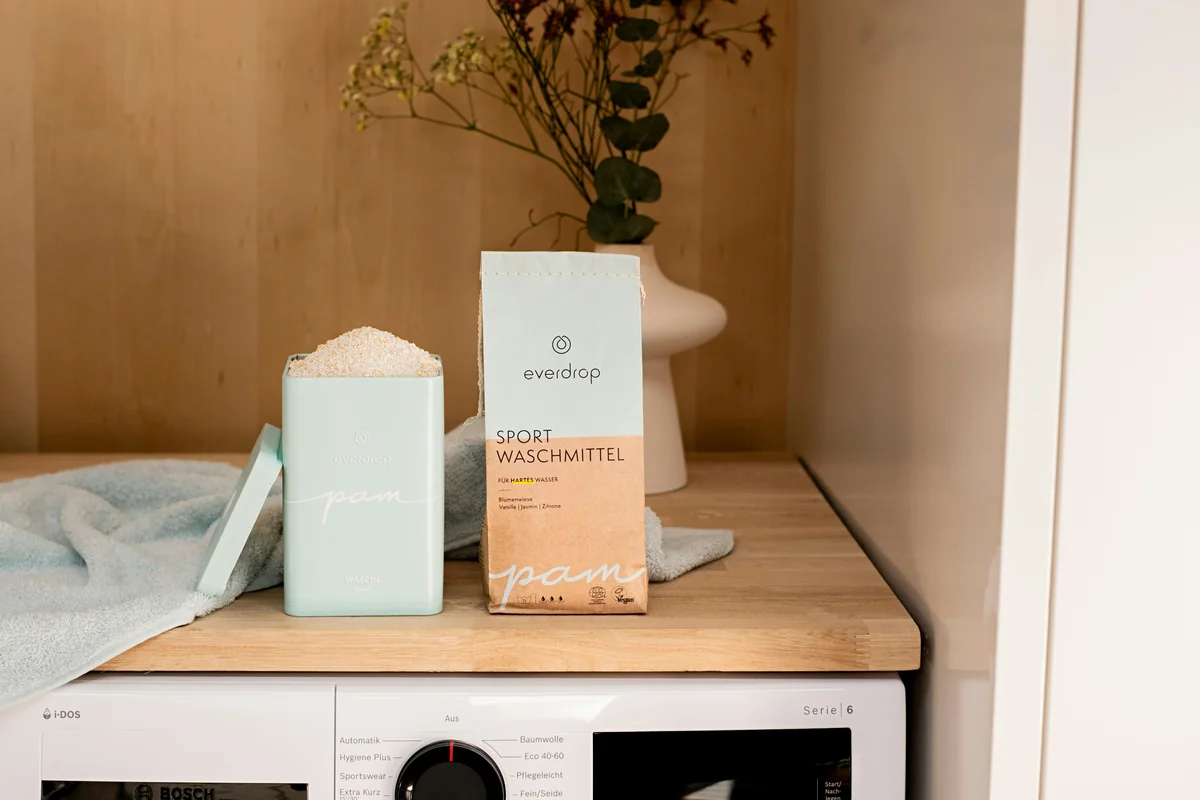
Eco-conscious laundry products have moved from niche shelves to the mainstream, giving shoppers more choices than ever. it helps you look beyond green packaging and focus on what truly matters: cleaning power, ingredient safety, cost, performance in cold water, skin sensitivity, and environmental impact. Some formulas use plant-based surfactants, some rely on enzymes, and others stand out for plastic-free packaging or refill systems. Yet not every “green” detergent performs the same way on stains, odors, or hard water.
Table of Contents
- What to consider when comparing detergent options
- Liquid, pods, powder, and sheets: which format is best?
- Comparing leading eco-friendly detergent brands and their strengths
- Performance, price, and sustainability trade-offs
- How to choose the right eco-friendly detergent for your household
- FAQ
- What is the best method for comparing the most popular eco-friendly laundry detergents?
- Are detergent sheets as effective when comparing the most popular eco-friendly laundry detergents?
- Is a higher price always better when comparing the most popular eco-friendly laundry detergents?
- What should sensitive-skin users know when comparing the most popular eco-friendly laundry detergents?
- Which format wins when comparing the most popular eco-friendly laundry detergents?
- Conclusion
This guide is designed to make that evaluation easier. By this, you can find the right fit for your household, whether you prioritize fragrance-free formulas, septic-safe ingredients, budget value, or reduced waste. Below, we break down the key factors, leading product types, and practical buying tips.
What to consider when comparing detergent options
When these, it is important to define what “eco-friendly” actually means. For some consumers, it means biodegradable ingredients and plant-derived surfactants. For others, it means cruelty-free certification, low-plastic packaging, concentrated formulas, or the absence of phosphates, dyes, and optical brighteners.
The first factor to examine is ingredient transparency. The best brands clearly list surfactants, enzymes, fragrances, preservatives, and any potential irritants. Products marketed as green but filled with vague “proprietary blends” may not inspire confidence. If you have allergies or sensitive skin, fragrance-free and dye-free options are often the safest place to start.
Cleaning performance is equally important. A detergent can be gentle on the environment, but if it fails to remove sweat, food spills, or grease, consumers may need to rewash clothes, which wastes water and energy. That is why they should always include real-world stain removal, odor control, and effectiveness in cold water cycles.
You should also evaluate packaging and concentration. Highly concentrated liquids, sheets, powders, and pods can reduce shipping emissions because they contain less water than traditional formulas. Cardboard packaging or refillable containers may further cut plastic waste. However, some detergent sheets still face scrutiny over whether their cleaning power matches that of liquids or powders.
Cost per load is another deciding factor. Premium sustainable brands often charge more upfront, but the true value lies in the number of loads, concentration level, and product performance. In many cases, the concept reveals that the cheapest bottle is not always the most economical choice over time.
Finally, check for third-party certifications. Labels such as EPA Safer Choice, USDA Biobased, Leaping Bunny, ECOCERT, and septic-safe claims can help verify environmental and ethical standards. Certifications are not everything, but they can support a brand’s claims and simplify your decision.
Liquid, pods, powder, and sheets: which format is best?
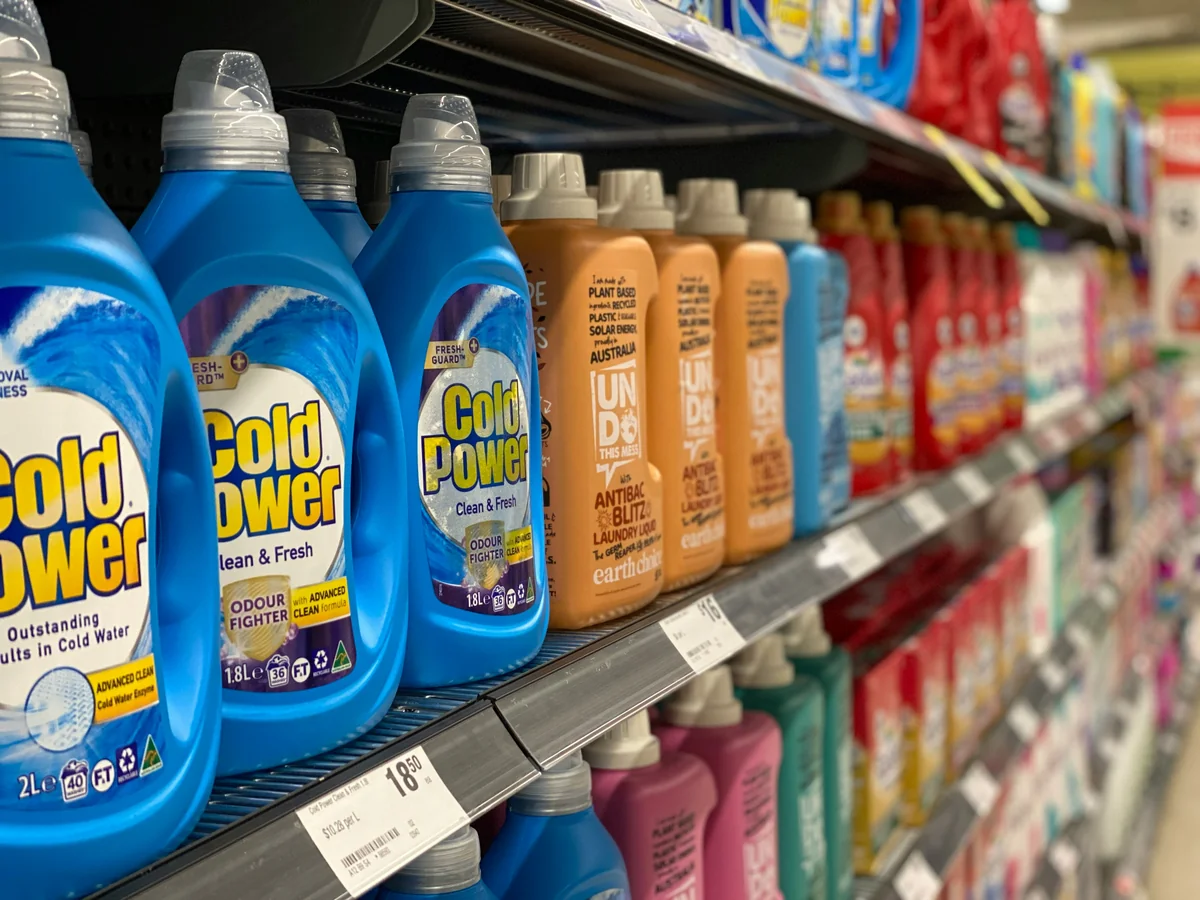
A major part of the approach is understanding how detergent format affects convenience, waste, and cleaning results. The four most common formats are liquid, pods, powder, and sheets, and each comes with trade-offs.
Liquid eco-friendly detergents are the most familiar option. They dissolve easily, work well in standard and high-efficiency machines, and are effective for pretreating stains. Many top-selling green liquid detergents use plant-based ingredients and are available in fragrance-free and scented variations. The downside is that liquid formulas usually come in plastic bottles, even when made from recycled material. They may also contain more water, making them heavier to ship.
Pods offer convenience because they are pre-measured and easy to use. This can reduce overdosing, which is good for both fabric care and the environment. Still, pods often cost more per load, and some households prefer to avoid them due to safety concerns around children and pets. In it, pods often score well on convenience but vary widely in stain-fighting performance.
Powder detergents are often underrated. They can be highly effective, especially on ground-in dirt and odors, and they frequently come in cardboard packaging that is easier to recycle than plastic. Powders may also have a smaller shipping footprint because they are concentrated and lightweight relative to liquids. However, some powders do not dissolve well in cold water or may leave residue if overused.
Detergent sheets have become a trendy low-waste option. They are compact, lightweight, and often sold in plastic-free packaging, which makes them appealing to minimalists and travelers. But when this, sheets can be the most divisive category. Some users love their convenience and reduced waste, while others report weaker performance on heavy stains, athletic wear, or large loads.
The best format depends on your priorities. If stain removal matters most, a concentrated liquid or powder may be ideal. If you want the lowest packaging waste, sheets or cardboard-box powders may stand out. If convenience is your top concern, pods may win. The key is balancing daily practicality with environmental values.
Comparing leading eco-friendly detergent brands and their strengths
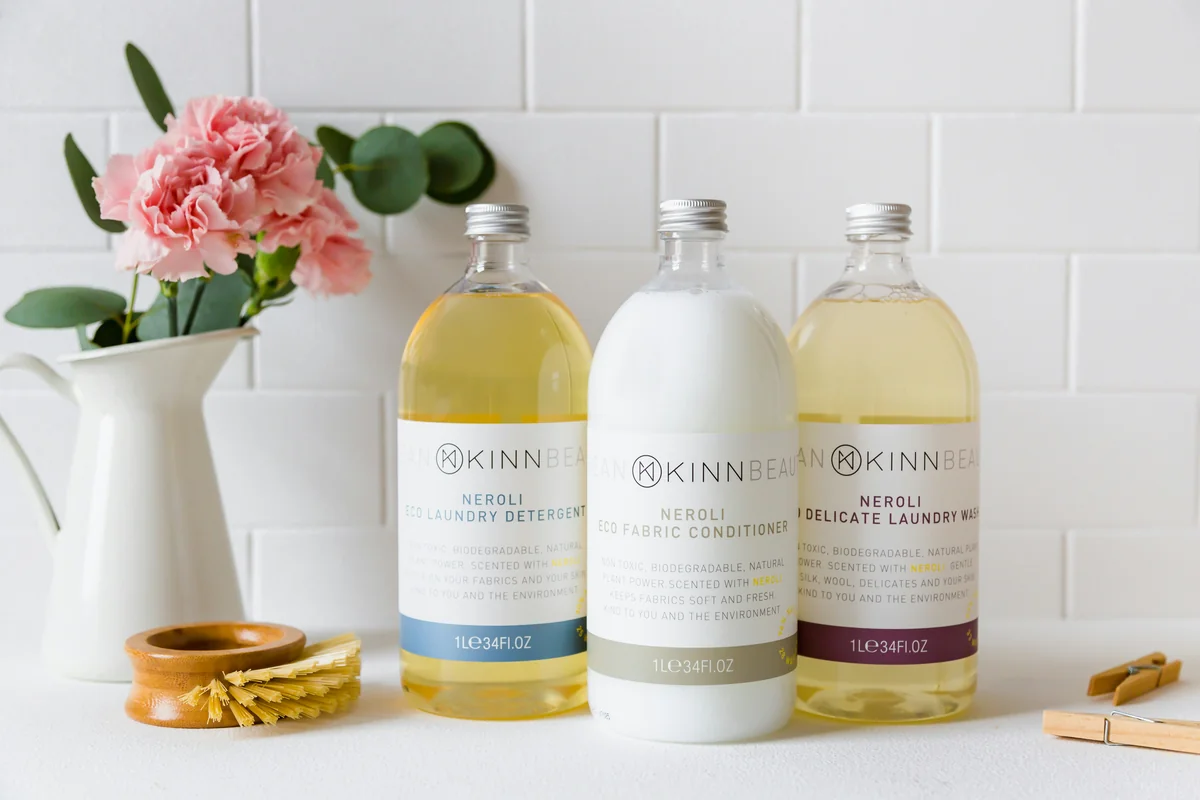
For shoppers, these often means narrowing down a group of well-known brands that consistently appear in reviews, retail stores, and sustainability roundups. While formulations change over time, several brands tend to dominate the discussion.
Molly’s Suds is a favorite among households seeking simpler ingredient lists. Its powders and liquids are often marketed toward families that prefer fewer synthetic additives. This brand is commonly praised for sensitive-skin friendliness, though some users may find it less powerful on very stubborn stains without a booster.
Seventh Generation remains one of the most recognizable names in green cleaning. Its detergent line usually emphasizes plant-based ingredients, transparency, and broad retail availability. For many consumers, it strikes a good middle ground between accessibility, affordability, and sustainability. In they, Seventh Generation often appeals to people who want a dependable mainstream option.
ECOS is another long-standing brand in the category. It is often competitively priced and widely available, making it attractive for budget-conscious households that still want a greener formula. Its products tend to perform reasonably well for everyday laundry, though heavily soiled workwear may require pretreatment.
Biokleen has built a reputation around concentrated formulas and strong cleaning performance. Many fans appreciate that a little goes a long way, helping offset the higher upfront price. This brand is often considered a practical choice for consumers who want strong odor and stain control without moving back to conventional detergents.
Dropps gained popularity with pod-based and refill-oriented options that reduce bulky plastic packaging. Its model appeals to consumers focused on convenience and lower shipping waste. However, as with many pod systems, the value depends on your preferred load size and how frequently you tackle tough stains.
Blueland and similar tablet or refill systems attract low-waste shoppers who prioritize plastic reduction. These products often shine in packaging innovation, but performance may vary by water conditions and fabric type. That is why the concept should include not just sustainability claims, but also practical day-to-day cleaning expectations.
Earth Breeze and other detergent sheet brands are especially popular among consumers trying to eliminate plastic jugs. Their strongest selling points are ease of storage, portability, and lower packaging waste. Yet they remain the subject of debate in terms of stain-lifting strength, especially in larger family households.
Truly Free, Branch Basics, and other refill or customizable systems appeal to those who value ingredient control and reduced household chemical exposure. Some of these products double as multi-purpose cleaners, which may suit minimalist homes. However, they can involve a learning curve and a higher initial investment.
Overall, no single detergent wins for everyone. Some brands excel in affordability, some in stain removal, some in packaging, and others in ingredient simplicity. The smartest approach is the approach according to your own laundry habits rather than marketing promises alone.
Performance, price, and sustainability trade-offs
The reason so many shoppers spend time it is that no product perfectly balances cleaning power, low cost, and minimal environmental impact. Most options involve trade-offs, and understanding them can prevent disappointment.

Performance is often the first compromise. Some eco-friendly formulas are excellent on normal daily laundry but struggle with oil, grass, wine, makeup, or heavy body odor. Enzyme-based detergents often perform better on protein and food stains, while oxygen boosters can help with whitening and odor removal. If your household washes sports gear, cloth diapers, or work uniforms, you may need a stronger eco formula or occasional stain-treatment support.
Price is another major factor. Green detergents often cost more because of ingredient sourcing, certifications, smaller production scale, or sustainable packaging investments. However, higher price does not always mean better results. In fact, this often shows that mid-range products can outperform premium brands in value per load.
Sustainability itself can be complicated. A detergent with biodegradable ingredients but heavy plastic packaging may not align with one shopper’s priorities. Another brand may offer compostable-looking packaging but use a formula that needs hot water or repeat washes, increasing energy use. True environmental impact should consider the full life cycle: ingredient sourcing, manufacturing, transportation, packaging, and in-home use.
Cold-water efficiency is especially important. Washing in cold water saves significant energy, so detergents that work effectively at lower temperatures may be more eco-friendly in practice than products with greener branding but weaker cold-cycle performance. This is a vital point when comparing the most popular eco-friendly laundry detergents for real household use.
Fragrance is another trade-off area. Natural essential-oil scents may appeal to consumers avoiding synthetic fragrance, but they can still irritate sensitive skin. Fragrance-free formulas are often the safest bet for eczema-prone users, babies, and allergy-sensitive households. Yet some fragrance-free detergents may not fully eliminate lingering odors from gym clothes unless paired with proper washing habits.
Water type matters too. Hard water can reduce detergent effectiveness, which may unfairly influence your impression of a product. In hard-water homes, using the right dosage or adding a booster can dramatically improve results. That means comparing the most popular eco-friendly laundry detergents should take local conditions into account rather than relying only on general online reviews.
Ultimately, the best detergent is the one that works consistently in your washer, fits your budget, supports your environmental goals, and keeps your clothes in good condition. The most sustainable product is one you will actually use successfully without needing rewashes or replacements.
How to choose the right eco-friendly detergent for your household
If you feel overwhelmed by the options, comparing the most popular eco-friendly laundry detergents becomes much easier when you match product features to your household’s actual needs. Start with your laundry volume. Large families may benefit from concentrated liquids or powders that offer strong value per load, while singles or couples may prioritize compact, low-waste formats like sheets or pods.
Next, consider your fabrics and typical stains. Delicates, baby clothes, and lightly worn everyday items may do well with gentler formulas. Households dealing with mud, food spills, pet bedding, or workout gear may need enzyme-based detergents and a stain pretreatment routine. In this case, comparing the most popular eco-friendly laundry detergents should focus heavily on cleaning performance rather than packaging alone.
Skin sensitivity is a crucial filter. If anyone in your home has eczema, allergies, or fragrance sensitivity, choose a hypoallergenic, dye-free, fragrance-free detergent first. Even naturally scented products can trigger irritation. It is often better to start with the simplest formula and only experiment with scents if your skin tolerates them.
Washer compatibility also matters. Most modern products are HE-compatible, but it is worth confirming, especially with powders or niche brands. If you use cold water for most loads, prioritize detergents specifically known to dissolve and clean well in lower temperatures.
Packaging preferences can help narrow your choice. If reducing plastic is your top goal, look at powders in cardboard, refill systems, or detergent sheets. If convenience matters more than packaging purity, pods or refillable liquid systems may be a better fit. While comparing the most popular eco-friendly laundry detergents, think about what changes you can realistically maintain over time.
A smart strategy is to test detergents in phases. Buy one product and evaluate it over several weeks on normal laundry, stains, odor-heavy loads, and delicates. Note cost per load, residue, scent, and skin reaction. This simple testing process is far more useful than trusting a single viral review.
Finally, avoid using too much detergent. Overdosing can leave residue, trap odors, and reduce rinse efficiency, making even a high-quality product seem ineffective. Measuring correctly helps you judge a detergent fairly and reduces waste.
FAQ
What is the best method for comparing the most popular eco-friendly laundry detergents?
The best method for comparing the most popular eco-friendly laundry detergents is to look at cleaning performance, ingredient transparency, cost per load, packaging, skin sensitivity, and cold-water effectiveness. Test products on your most common stains and laundry types rather than relying only on marketing claims.
Are detergent sheets as effective when comparing the most popular eco-friendly laundry detergents?
When comparing the most popular eco-friendly laundry detergents, detergent sheets often perform well for lightly soiled everyday clothes, but they may be less effective on heavy stains, grease, or strong odors. They are best for people who prioritize low-waste packaging and convenience over maximum stain-fighting strength.
Is a higher price always better when comparing the most popular eco-friendly laundry detergents?
No. Comparing the most popular eco-friendly laundry detergents often reveals that some mid-priced brands deliver excellent performance and value, while certain premium products mainly charge more for branding or packaging innovation. Cost per load and actual results matter more than shelf price alone.
What should sensitive-skin users know when comparing the most popular eco-friendly laundry detergents?
For people with allergies or irritation concerns, comparing the most popular eco-friendly laundry detergents should begin with fragrance-free, dye-free, and transparent formulas. Even plant-based or essential-oil-scented detergents can cause reactions, so simplicity is usually the safest choice.
Which format wins when comparing the most popular eco-friendly laundry detergents?
There is no universal winner. Comparing the most popular eco-friendly laundry detergents shows that liquids often excel in pretreating and stain removal, powders can offer strong value and recyclable packaging, pods are convenient, and sheets reduce bulk and plastic waste. The best format depends on your priorities.
Conclusion
In the end, comparing the most popular eco-friendly laundry detergents is about finding the right balance between sustainability and real-life performance. The ideal product for one home may be completely wrong for another, depending on laundry habits, skin sensitivity, budget, packaging preferences, and stain-removal needs. Some households will prefer concentrated liquids for reliable cleaning, while others will choose powders, pods, or sheets to reduce waste and simplify storage.
The most practical way to shop is to focus on the factors that matter most to you: transparent ingredients, effectiveness in cold water, affordability per load, and packaging impact. By comparing the most popular eco-friendly laundry detergents with those criteria in mind, you can make a smarter, more sustainable purchase that works for both your clothes and the planet.