Introduction
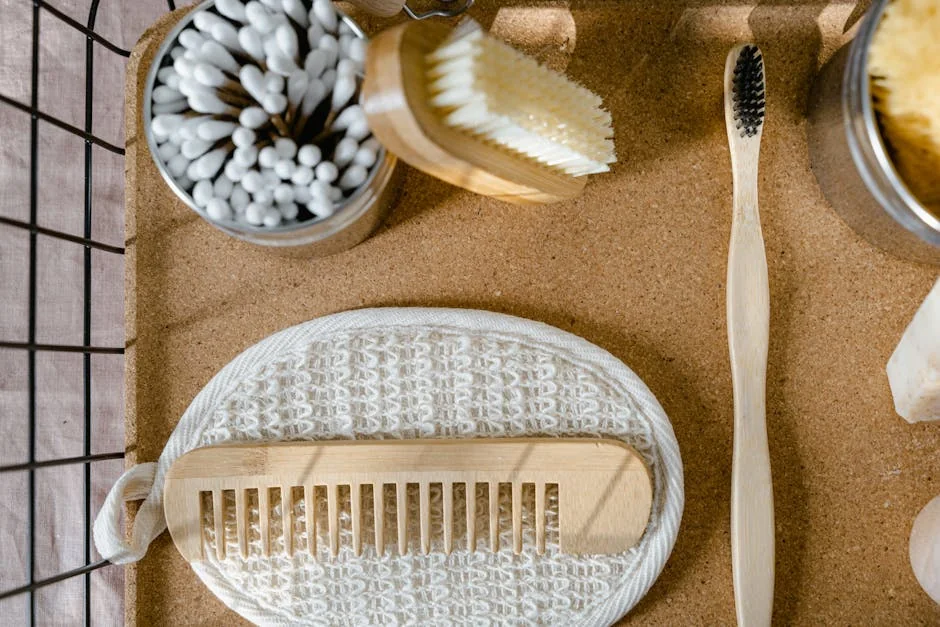
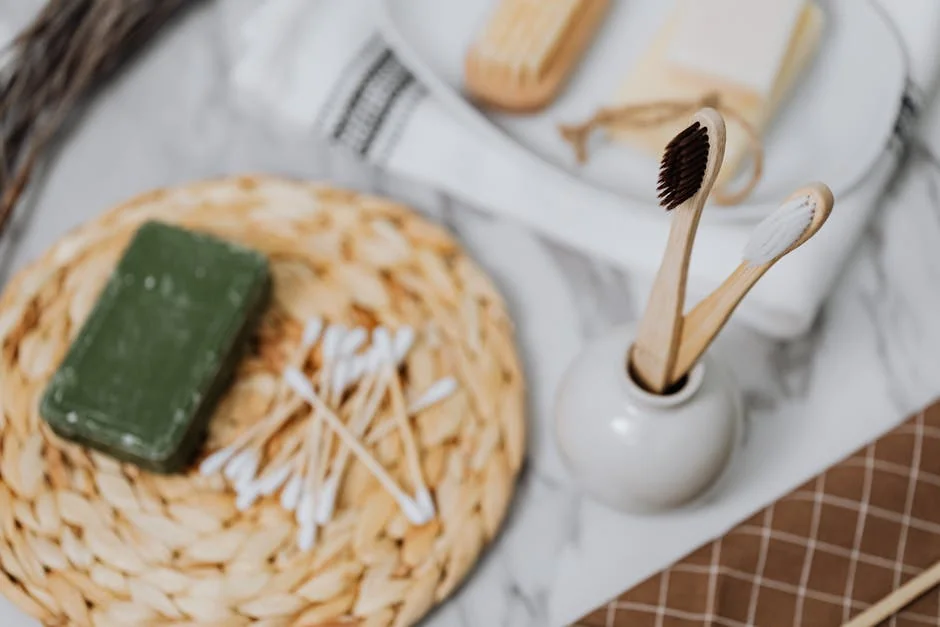
Creating a lower-waste home often starts in the bathroom, where single-use plastics, disposable products, and heavily packaged items are everywhere. This Sustainable and plastic-free bathroom essentials review is designed to help you sort through the best swaps without wasting money on products that look eco-friendly but fail in daily use. From shampoo bars and bamboo toothbrushes to refillable deodorant and compostable cotton swabs, the goal is to find items that are practical, durable, and genuinely better for the planet.
Table of Contents
- Introduction
- Why Choose Eco-Friendly Bathroom Swaps?
- Best Sustainable Bathroom Essentials Worth Buying
- 1. Shampoo bars
- 2. Conditioner bars
- 3. Bamboo toothbrushes
- 4. Safety razors
- 5. Bar soap and soap dishes
- 6. Refillable deodorant
- 7. Compostable cotton swabs and reusable rounds
- How to Evaluate Sustainable Bathroom Products
- Material quality
- Packaging
- Performance and lifespan
- Ingredient transparency
- Brand ethics
- Top Pros and Cons of Going Plastic-Free in the Bathroom
- Pros
- Cons
- Best Strategy for Building a Low-Waste Bathroom
- Step 1: Finish what you already own
- Step 2: Start with high-impact swaps
- Step 3: Focus on systems, not single products
- Step 4: Buy for your actual habits
- Step 5: Track value over time
- FAQ
- Are plastic-free bathroom products really better for the environment?
- What is the easiest first step in a sustainable bathroom?
- Are shampoo bars as effective as bottled shampoo?
- Do safety razors save money?
- How do I avoid greenwashing when buying bathroom essentials?
- Conclusion
In this Sustainable and plastic-free bathroom essentials review, we will examine what matters most: materials, performance, packaging, cost over time, and ease of use. A sustainable bathroom should not feel inconvenient. The best essentials combine thoughtful design, strong performance, and minimal environmental impact.
Why Choose Eco-Friendly Bathroom Swaps?
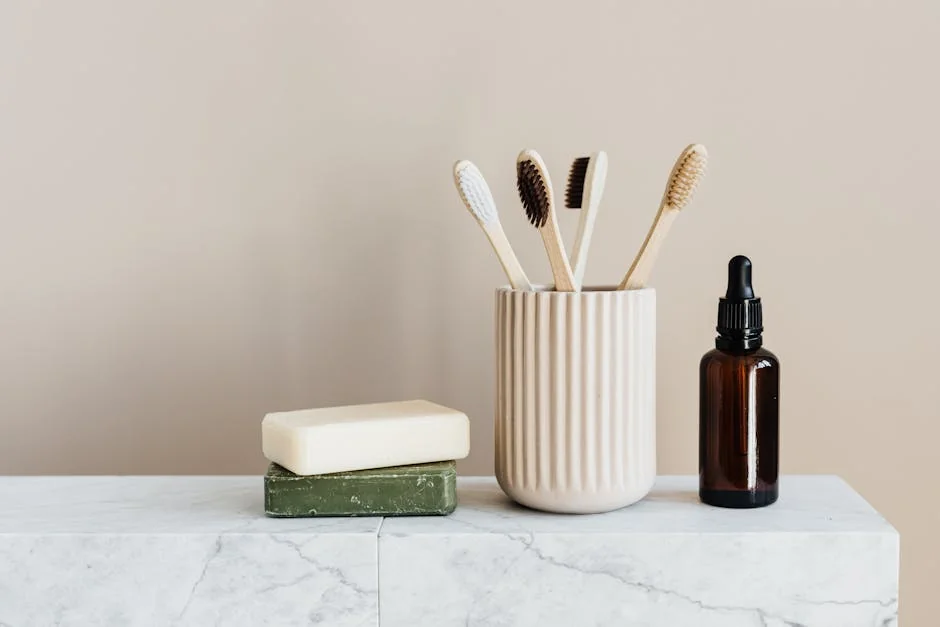
A thoughtful Sustainable and plastic-free bathroom essentials review begins with one basic question: why make the switch at all? The average bathroom contains a surprising amount of plastic, from shampoo bottles and disposable razors to floss containers and synthetic sponges. Many of these products are used briefly and thrown away, contributing to landfill waste and ocean pollution.
Sustainable bathroom essentials aim to reduce that burden in a few key ways:
– Using renewable or biodegradable materials
– Eliminating single-use plastic packaging
– Offering refillable or reusable alternatives
– Reducing harmful ingredients and chemical-heavy formulas
– Supporting ethical and low-waste production methods
The appeal is not only environmental. Many people find that plastic-free products are simpler, cleaner, and more aesthetically pleasing. A metal safety razor, a glass mouthwash bottle, or a solid soap bar often lasts longer and looks better than standard disposable options.
Another benefit is long-term value. While some sustainable items have a higher upfront cost, they often save money over time. A reusable razor with replaceable blades, for example, can be cheaper in the long run than disposable cartridge systems. This is why any honest Sustainable and plastic-free bathroom essentials review should consider lifetime cost, not just shelf price.
Still, sustainability claims vary widely. Some brands use paper packaging but still rely on mixed materials, hidden plastic linings, or formulas that are hard to evaluate. That is why product-by-product assessment matters.
Best Sustainable Bathroom Essentials Worth Buying
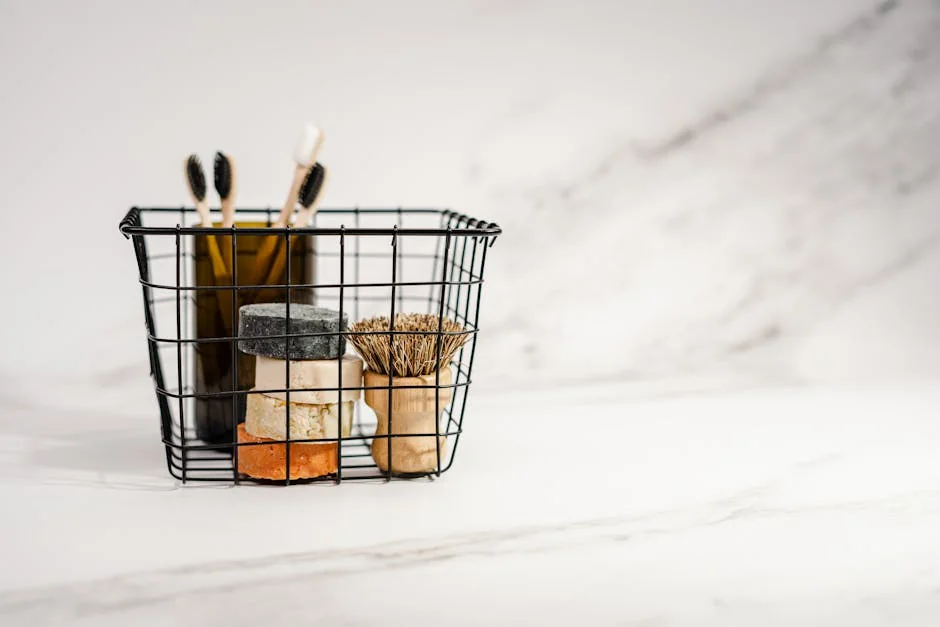
In this section of the Sustainable and plastic-free bathroom essentials review, we will look at the most common bathroom categories and how their eco-friendly alternatives perform in real life.
1. Shampoo bars
Shampoo bars are among the most popular low-waste swaps, and for good reason. They typically come in cardboard packaging, last longer than bottled shampoo, and eliminate the need for plastic bottles.
Pros:
– No plastic bottle waste
– Compact and travel-friendly
– Often concentrated and long-lasting
Cons:
– Can require an adjustment period
– Some formulas leave residue on certain hair types
– Storage matters; bars dissolve faster if left wet
Best for: People looking for a simple, high-impact swap.
A good shampoo bar should lather well, rinse clean, and suit your hair type. Look for sulfate-free formulas if you want something gentler, though performance varies. In any Sustainable and plastic-free bathroom essentials review, shampoo bars usually rank highly for waste reduction and convenience.
2. Conditioner bars
Conditioner bars are less universally loved than shampoo bars because they can be harder to apply evenly. However, the best ones offer impressive moisture without heavy packaging.
Pros:
– Minimal packaging
– Long lifespan
– Good for travel
Cons:
– Harder to distribute through thick hair
– Some bars feel waxy
– Learning curve in use
If you are new to plastic-free haircare, start with shampoo first, then add conditioner once you find a brand that suits your needs.
3. Bamboo toothbrushes
Bamboo toothbrushes are often marketed as an easy eco swap. They reduce plastic use in the handle, though many still include nylon bristles, which must be removed before composting.
Pros:
– Lower plastic use than standard toothbrushes
– Widely available
– Affordable
Cons:
– Not always fully compostable
– Can develop wear faster in humid conditions
In a balanced Sustainable and plastic-free bathroom essentials review, bamboo toothbrushes are a good entry-level option, but not a perfect solution. Still, they are far better than replacing full plastic toothbrushes every few months.
4. Safety razors
A stainless steel safety razor is one of the best long-term upgrades for a sustainable bathroom. Instead of tossing plastic cartridges, you replace only the metal blade.
Pros:
– Extremely durable
– Low waste
– Lower ongoing blade costs
Cons:
– Higher upfront cost
– Requires care and technique
– Not ideal for rushed shaving at first
Many users find that safety razors provide a closer shave with less recurring expense. They are a standout item in nearly any Sustainable and plastic-free bathroom essentials review because they pair strong performance with major waste reduction.
5. Bar soap and soap dishes
Switching from liquid hand or body wash to bar soap cuts plastic instantly. The key is choosing a well-formulated bar and storing it properly.
Pros:
– Little to no packaging waste
– Long-lasting
– Available in many skin-friendly formulas
Cons:
– Can become mushy without drainage
– Some bars are drying
A draining soap dish made of bamboo, ceramic, or metal helps the bar last longer. This swap is simple, low-cost, and highly effective.
6. Refillable deodorant
Refillable deodorant systems usually use metal or durable reusable cases with compostable or recyclable refills.
Pros:
– Less waste over time
– Better packaging design
– Often available in natural formulas
Cons:
– Refills can be pricey
– Natural formulas do not work equally well for everyone
Performance is everything here. Even the most sustainable deodorant fails if it does not control odor. That is why testing real effectiveness is essential in a Sustainable and plastic-free bathroom essentials review.
7. Compostable cotton swabs and reusable rounds
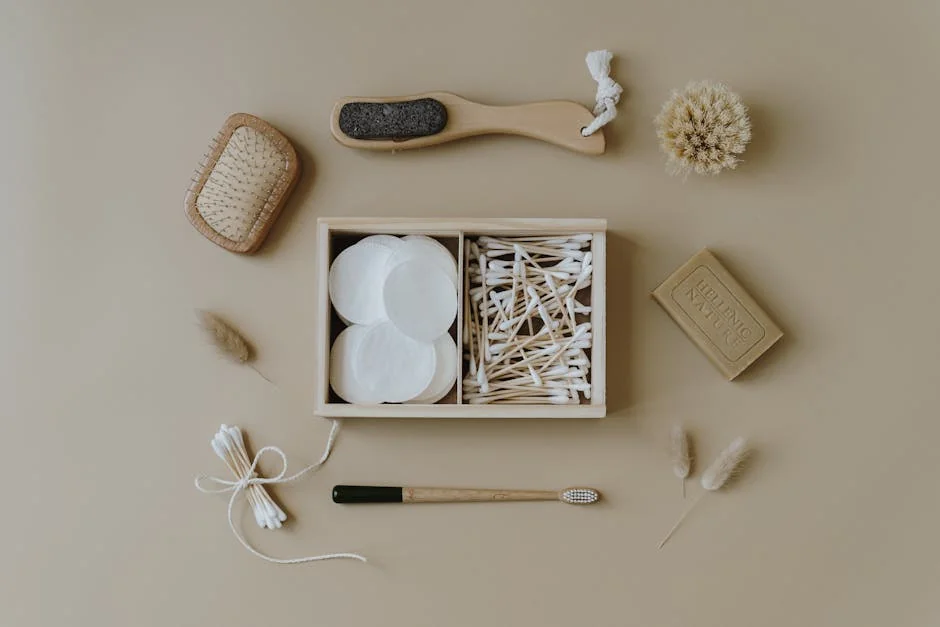
Conventional cotton swabs often include plastic stems. Paper or bamboo-stem versions are easy replacements. Reusable cotton rounds made from washable fabric also reduce daily waste.
Pros:
– Easy swap
– Affordable
– Good for skincare routines
Cons:
– Reusable rounds require washing
– Some compostable swabs are less sturdy
These are not dramatic innovations, but they are practical and accessible.
How to Evaluate Sustainable Bathroom Products
A useful Sustainable and plastic-free bathroom essentials review should go beyond marketing buzzwords. Many products claim to be green, natural, or zero waste, but real sustainability depends on several factors.
Material quality
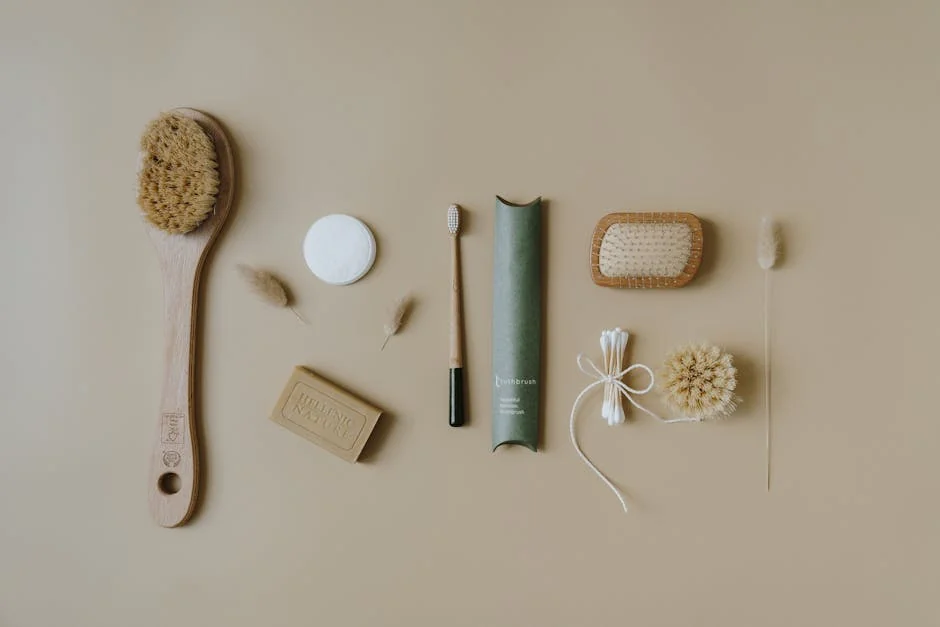
Look at what the product itself is made from:
– Stainless steel for razors and tools
– Bamboo or wood from responsible sources
– Glass or aluminum for refillable containers
– Organic cotton for reusable textiles
– Natural rubber, cork, or compostable fiber where appropriate
Avoid products that mix materials in ways that make recycling impossible.
Packaging
Packaging matters almost as much as the item itself. The most sustainable products typically use:
– Recycled cardboard
– Paper wraps
– Aluminum tins
– Glass jars
– Refill systems
Be cautious with phrases like “plastic-free” when hidden plastic liners or shrink wrap are still used. A careful Sustainable and plastic-free bathroom essentials review always checks the full packaging system, not only the visible outer box.
Performance and lifespan
An eco product that performs poorly is not necessarily sustainable if it gets discarded quickly. Durability and effectiveness are essential. Ask:
– Does it last as long as or longer than the conventional option?
– Is it easy to maintain?
– Will you realistically keep using it?
This is especially important with razors, soap accessories, toothbrushes, and refillable containers.
Ingredient transparency
For personal care items such as deodorant, soap, shampoo, and toothpaste tablets, ingredients matter. Some products avoid plastic but include irritating essential oils, baking soda-heavy formulas, or harsh surfactants that do not work for everyone.
Choose brands that clearly explain:
– Ingredient sources
– Skin and hair type suitability
– Fragrance options
– Certifications where relevant
Brand ethics
A stronger Sustainable and plastic-free bathroom essentials review also considers who is making the product. Useful indicators include:
– Transparent sourcing
– Fair labor commitments
– Cruelty-free practices
– Carbon-conscious shipping
– Refill or take-back programs
No brand is perfect, but transparency is a strong sign of credibility.
Top Pros and Cons of Going Plastic-Free in the Bathroom
No honest Sustainable and plastic-free bathroom essentials review would be complete without discussing both the benefits and the trade-offs. Sustainable products can be excellent, but they are not all effortless replacements.
Pros
#### 1. Less waste
The clearest advantage is reducing plastic consumption and bathroom trash. Refillable, reusable, and compostable products significantly cut household waste.
#### 2. Long-term savings
Items like safety razors, washable rounds, and soap bars often save money over time.
#### 3. Cleaner aesthetic
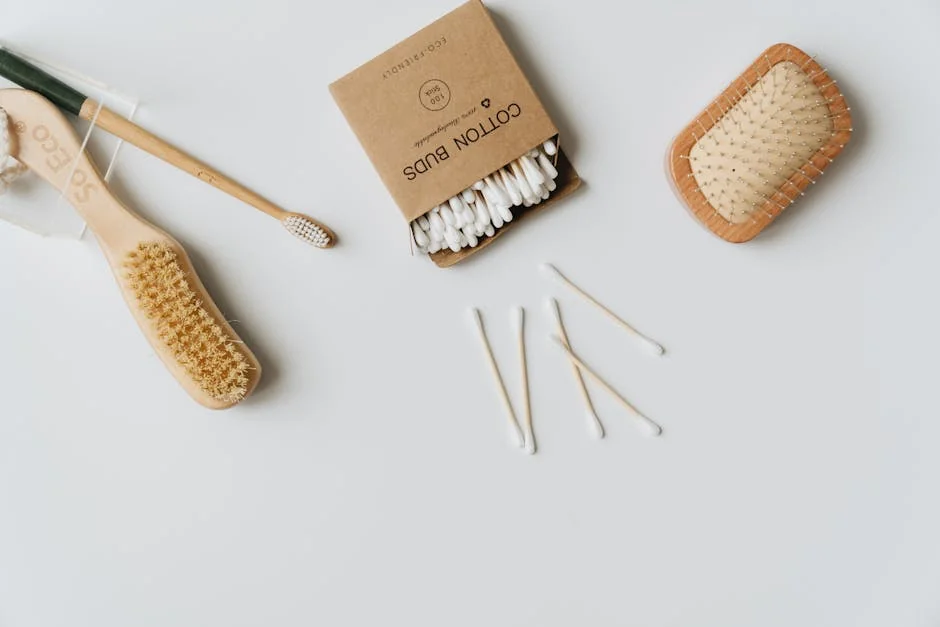
Plastic-free bathrooms often feel more organized and visually calm. Glass, bamboo, metal, and paper packaging create a more intentional space.
#### 4. Better travel options
Solid toiletries like shampoo bars, conditioner bars, and soap bars are compact and airport-friendly.
#### 5. Encourages mindful consumption
When you buy fewer disposables, you tend to choose more carefully and use products fully.
Cons
#### 1. Higher upfront costs
A metal razor, refillable deodorant case, or premium bar system can cost more initially.
#### 2. Trial and error
Not every shampoo bar or natural deodorant works for every body. Some experimentation is often necessary.
#### 3. Convenience adjustments
Reusable rounds need laundering. Safety razors require practice. Soap bars need dry storage.
#### 4. Limited local availability
Depending on where you live, the best options may be online only, which can complicate shipping sustainability.
#### 5. Greenwashing
Some brands use eco-friendly language without meaningful environmental improvements. This is why a detailed Sustainable and plastic-free bathroom essentials review matters so much.
The smartest approach is not perfection. Start with the easiest swaps that fit your routine, then expand gradually.
Best Strategy for Building a Low-Waste Bathroom
The most practical Sustainable and plastic-free bathroom essentials review is not about replacing everything overnight. A gradual approach is more affordable and sustainable.
Step 1: Finish what you already own
Do not throw away usable products just to buy greener ones. The most responsible approach is usually to use existing items fully, then replace them with better alternatives.
Step 2: Start with high-impact swaps
The easiest changes often include:
– Bar soap instead of body wash
– Shampoo bar instead of bottled shampoo
– Bamboo toothbrush instead of plastic toothbrush
– Safety razor instead of disposable razors
– Reusable cotton rounds instead of disposable ones
These swaps offer visible waste reduction without making your routine dramatically harder.
Step 3: Focus on systems, not single products
A sustainable bathroom works best when products support each other. For example:
– Soap bars plus draining soap dishes
– Refillable deodorant plus subscription refills
– Safety razor plus blade recycling setup
– Tooth tabs plus glass storage jar
This systems mindset is central to a smart Sustainable and plastic-free bathroom essentials review, because success often depends on storage, maintenance, and routine compatibility.
Step 4: Buy for your actual habits
If you travel often, solid products may be ideal. If you prefer simplicity, choose a few durable basics over trendy specialty items. If you have sensitive skin, prioritize fragrance-free formulas and patch testing.
Step 5: Track value over time
Instead of comparing only upfront prices, calculate cost per month or per use. Many sustainable swaps look expensive initially but become cheaper over repeated use.
A plastic-free bathroom does not need to be minimalist, expensive, or perfect. It needs to be functional enough that you keep using it.
FAQ
Are plastic-free bathroom products really better for the environment?
In most cases, yes, especially when they reduce single-use packaging and are made from durable or compostable materials. This Sustainable and plastic-free bathroom essentials review shows that the biggest environmental benefits usually come from reusable items, refill systems, and products with minimal packaging.
What is the easiest first step in a sustainable bathroom?
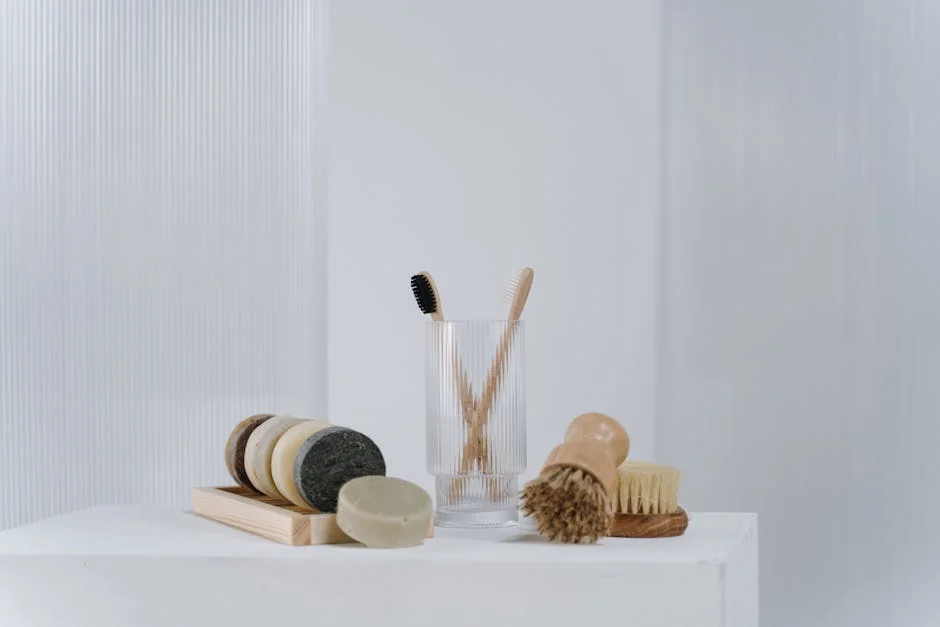
The easiest starting points are bar soap, bamboo toothbrushes, and reusable cotton rounds. In this Sustainable and plastic-free bathroom essentials review, these swaps stand out because they are affordable, simple, and easy to integrate into daily routines.
Are shampoo bars as effective as bottled shampoo?
They can be, but performance depends on hair type and formula. A fair Sustainable and plastic-free bathroom essentials review finds that high-quality shampoo bars often work very well, though some people need time to find the right one.
Do safety razors save money?
Yes, usually over the long term. The razor itself costs more upfront, but replacement blades are much cheaper than cartridge refills. That is one reason they rank so highly in any Sustainable and plastic-free bathroom essentials review.
How do I avoid greenwashing when buying bathroom essentials?
Check the full product details, not just the front label. Look at packaging materials, refill options, ingredient transparency, and brand sourcing information. A careful Sustainable and plastic-free bathroom essentials review always considers whether a product is genuinely low waste or simply marketed that way.
Conclusion
This Sustainable and plastic-free bathroom essentials review makes one thing clear: the best eco-friendly bathroom products are not just sustainable in theory, but useful in everyday life. Effective swaps such as shampoo bars, bar soap, safety razors, refillable deodorant, and reusable cotton rounds can meaningfully reduce plastic waste while keeping your routine practical and comfortable.
The key takeaway from this Sustainable and plastic-free bathroom essentials review is to focus on products that combine durability, low-waste packaging, and real performance. Start with the items you use most, replace them gradually, and ignore the pressure to be perfect. Sustainable living works best when it is realistic. A well-chosen set of bathroom essentials can lower waste, save money over time, and make your space feel cleaner and more intentional every day.