Introduction
A good night’s sleep depends on more than just your mattress or pillow. The sheets, duvet covers, pillowcases, and other fabrics touching your skin every night can make a major difference in comfort, temperature control, durability, and overall bedroom style. Understanding What to look for when purchasing high-quality bed linens helps you avoid overpaying for marketing claims and choose products that truly deliver long-term value. From fiber type and weave to thread count, finish, and maintenance needs, every detail matters. If you have ever wondered why some linens feel crisp and luxurious while others pill or wear out quickly, this guide will walk you through the essentials. By the end, you will know exactly What to look for when purchasing high-quality bed linens for comfort, quality, and lasting performance.
Table of Contents
- Introduction
- Fiber Quality and Fabric Composition
- Cotton: The Most Popular Choice
- Linen: Naturally Breathable and Durable
- Bamboo, Tencel, and Blends
- How to Read Fabric Labels
- Thread Count, Weave, and Feel
- The Truth About Thread Count
- Percale vs. Sateen
- Touch Matters
- Construction, Fit, and Finishing Details
- Stitching and Seams
- Fit for Your Mattress
- Finishing Processes
- Closures and Functional Details
- Durability, Care, and Long-Term Value
- Signs of Durability
- Ease of Care
- Cost vs. Value
- Style, Seasonality, and Personal Sleep Preferences
- Match Linens to Your Sleeping Temperature
- Consider Texture Preferences
- Coordinate With Bedroom Design
- Think About Seasonal Rotation
- FAQ
- How do I know What to look for when purchasing high-quality bed linens if I shop online?
- Is thread count the most important factor in What to look for when purchasing high-quality bed linens?
- What material is best if I want cooling sheets?
- Are expensive sheets always better?
- How often should high-quality bed linens be replaced?
- Conclusion
Fiber Quality and Fabric Composition
The first and most important factor in What to look for when purchasing high-quality bed linens is the fabric itself. Before considering thread count or branding, you need to understand what fibers are used and how they affect feel, breathability, and durability.
Cotton: The Most Popular Choice
Cotton remains the gold standard for bed linens because it is soft, breathable, and easy to maintain. However, not all cotton is created equal. Long-staple and extra-long-staple cotton varieties, such as Egyptian cotton, Pima cotton, and Supima cotton, are known for producing smoother, stronger yarns. These fibers create sheets that resist pilling and become softer over time.
Short-staple cotton, by contrast, often feels rougher and may wear out more quickly. When shopping, look for labels that clearly identify the cotton type rather than using vague luxury terms.
Linen: Naturally Breathable and Durable
Linen, made from flax fibers, is another premium option. It has a relaxed appearance and excellent moisture-wicking properties, making it ideal for hot sleepers and warm climates. Linen often feels textured at first but softens beautifully after repeated washing. It is also highly durable, often outlasting many cotton sheets when cared for properly.
If your priority is breathability and a casual, elegant look, linen may be exactly What to look for when purchasing high-quality bed linens.
Bamboo, Tencel, and Blends
Bamboo-derived viscose and Tencel lyocell are popular for their silky feel and moisture control. These fabrics can be soft and cooling, but quality varies depending on how the fibers are processed. Some blended fabrics combine cotton with polyester for wrinkle resistance and lower cost. While blends can be practical, they usually do not offer the same natural softness and breathability as pure premium fibers.
How to Read Fabric Labels
When evaluating material, check the product description carefully:
– Look for 100% long-staple cotton, flax linen, or premium lyocell
– Avoid overly vague descriptions such as “hotel quality” without fiber details
– Be cautious with synthetic-heavy blends if breathability matters to you
– Check whether the fabric is certified for safety, such as OEKO-TEX
Understanding fiber composition is central to What to look for when purchasing high-quality bed linens, because the raw material determines how the fabric will feel and perform over time.
Thread Count, Weave, and Feel
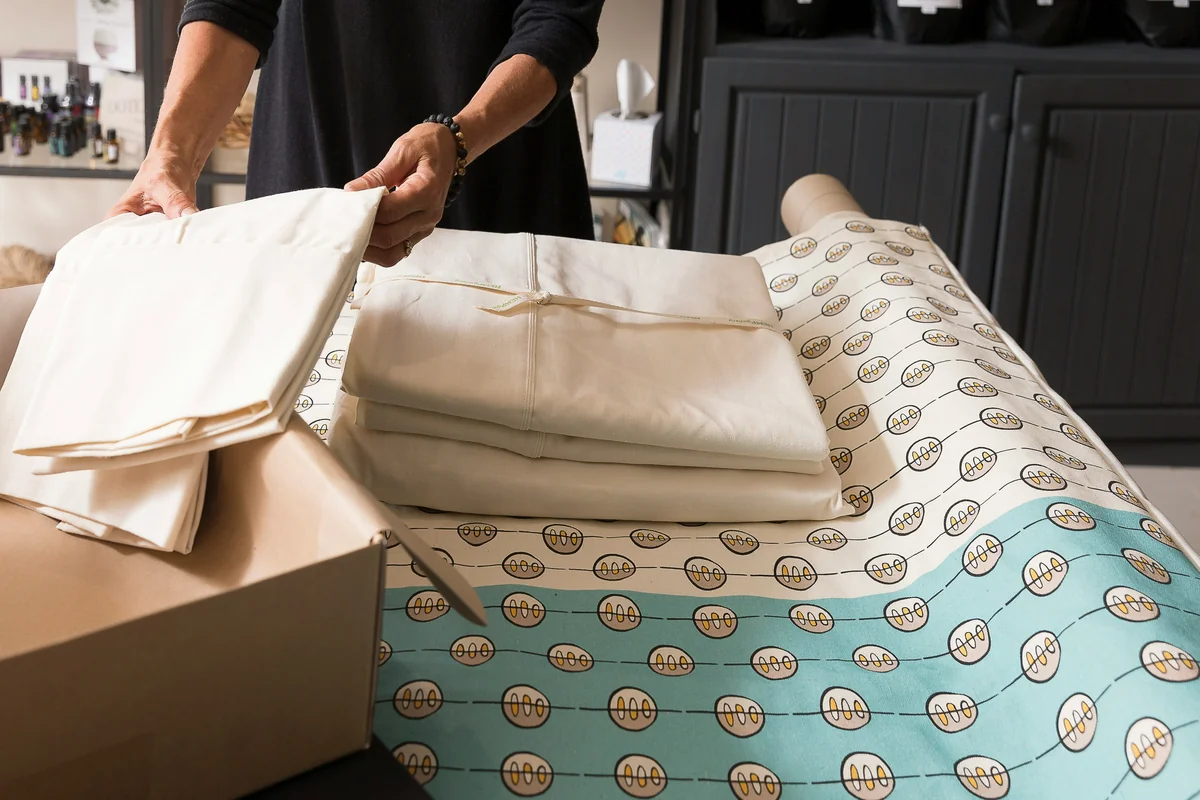
Many shoppers assume thread count is the most important quality marker, but that is only partly true. To fully understand What to look for when purchasing high-quality bed linens, you need to consider thread count alongside weave and yarn quality.
The Truth About Thread Count
Thread count refers to the number of threads woven into one square inch of fabric. In general, a moderate thread count made from high-quality fibers is better than an inflated count made from lower-grade yarns.
For cotton sheets, these are useful guidelines:
– 200-400 thread count: Crisp, breathable, and often excellent for percale
– 300-600 thread count: Soft and smooth, common in quality sateen sheets
– 600+: Sometimes luxurious, but not automatically better
Extremely high thread counts can be misleading. Some manufacturers use multi-ply yarns to artificially inflate the number, which may reduce breathability and softness.
Percale vs. Sateen
Weave has a major impact on sheet feel.
#### Percale
Percale uses a one-over, one-under weave that creates a crisp, cool, matte finish. It is lightweight and breathable, making it a great choice for people who sleep hot or prefer a fresh hotel-sheet feel.
#### Sateen
Sateen features a weave with more threads on the surface, resulting in a smoother, silkier, slightly lustrous finish. It feels warmer and drapes more heavily than percale, making it appealing for cooler climates or those who prefer a softer hand-feel.
#### Linen Weave
Linen fabrics typically have a looser weave and distinct texture. They are airy and excellent at regulating temperature.
Choosing the right weave is a core part of What to look for when purchasing high-quality bed linens, because the same fiber can feel very different depending on how it is woven.
Touch Matters
Whenever possible, feel the fabric before buying. High-quality linens should feel smooth, substantial, and comfortable against the skin. They should not feel overly stiff, slick in an artificial way, or thin and fragile. If buying online, read customer reviews for comments about softness, breathability, and whether the linens improve after washing.
Construction, Fit, and Finishing Details
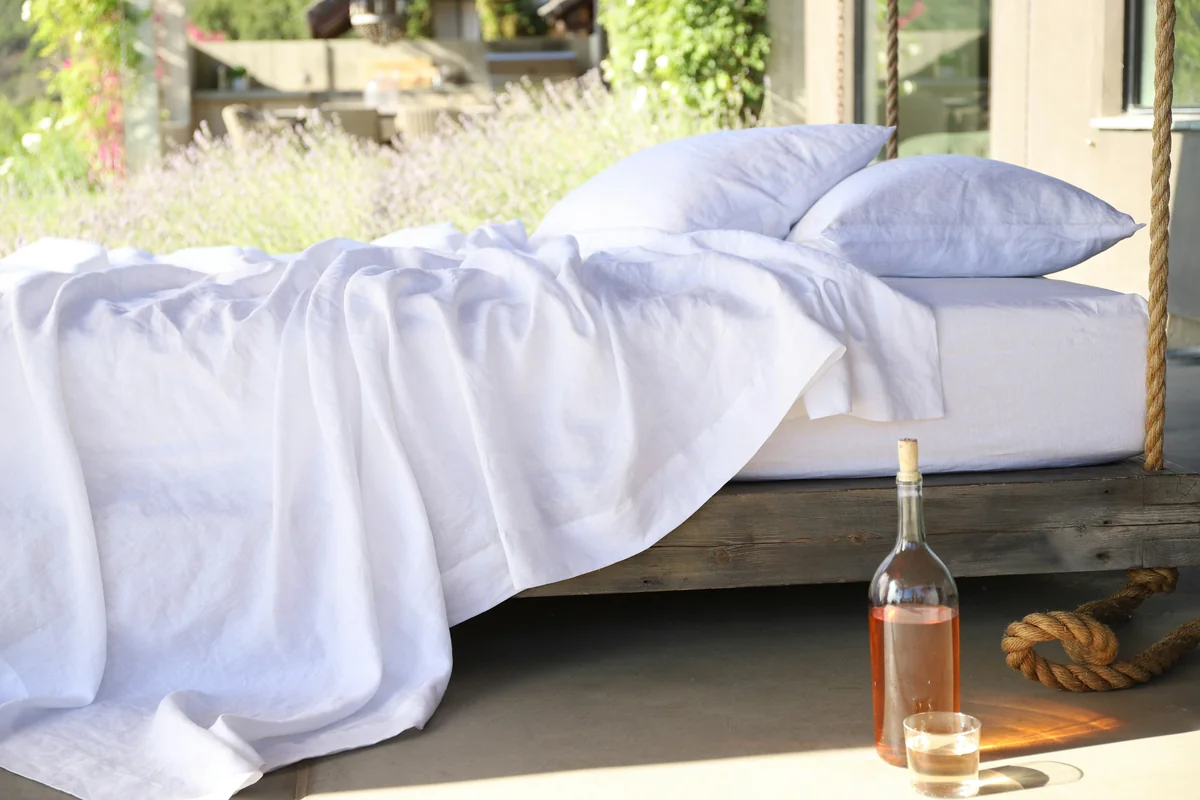
Beyond material and weave, you also need to pay attention to how the linens are made. Construction quality is often overlooked, yet it is a huge part of What to look for when purchasing high-quality bed linens.
Stitching and Seams
Examine the seams closely. Strong, even stitching indicates better craftsmanship and helps the linens withstand repeated washing. Loose threads, uneven hems, or poorly finished edges can be early signs of lower quality.
High-quality linens often feature:
– Neat, reinforced seams
– Consistent stitching density
– Well-finished hems
– Secure closures on duvet covers and pillowcases
Fit for Your Mattress
One of the most frustrating bedding issues is fitted sheets that pop off the mattress. To avoid that, check the pocket depth and elastic design. Measure your mattress height, including any topper, and compare it with the sheet dimensions.
Deep-pocket sheets are useful for thicker mattresses, while all-around elastic typically offers a more secure fit than elastic only at the corners. Proper sizing is often overlooked in discussions of What to look for when purchasing high-quality bed linens, but it can significantly affect comfort and convenience.
Finishing Processes
Some linens undergo finishing treatments for softness, wrinkle resistance, or shrinkage control. While these treatments can improve convenience, be selective. Excessive chemical finishes may affect breathability or longevity.
Look for information such as:
– Pre-washed for softness
– Garment-washed for a relaxed texture
– Sanforized or pre-shrunk to reduce shrinkage
– OEKO-TEX or similar certifications for safer processing
Closures and Functional Details
Small design elements can make a big difference in daily use. Duvet covers with sturdy buttons or hidden zipper closures, envelope-style pillowcases, and fitted sheets with strong elastic all contribute to a better experience.
These details are practical clues about What to look for when purchasing high-quality bed linens, especially if you want products that feel thoughtfully designed rather than mass-produced.
Durability, Care, and Long-Term Value
If you want bedding that lasts, durability should be one of your top priorities. A key part of What to look for when purchasing high-quality bed linens is balancing immediate softness with long-term performance.

Signs of Durability
High-quality bed linens should maintain their feel and structure after many washes. Fabrics made from long-staple fibers generally hold up better, resist pilling, and maintain a smoother surface. Dense but breathable weaves and strong seams also contribute to longevity.
Watch for warning signs such as:
– Fabric that feels overly thin
– Rough texture from low-grade fibers
– Weak stitching
– Reviews mentioning pilling, tearing, or shrinking
Ease of Care
Luxury should not always mean difficult maintenance. Before buying, read the care instructions. Some linens are machine washable and easy to care for, while others may need more delicate handling.
For example:
– Cotton percale is usually easy to wash and maintain
– Sateen may require more attention to preserve its sheen
– Linen is durable but can wrinkle easily
– Bamboo-based fabrics may need gentle cycles
Practical care requirements should always factor into What to look for when purchasing high-quality bed linens, especially if you want beauty without unnecessary upkeep.
Cost vs. Value
High-quality bed linens are an investment, but expensive does not always mean superior. Instead of focusing only on price, evaluate cost per use. A set of sheets that lasts five years and stays comfortable may offer far better value than a cheaper set you replace annually.
When comparing products, consider:
– Fiber quality
– Manufacturing standards
– Expected lifespan
– Return policy and warranty
– Customer reviews over time
Smart shoppers know that What to look for when purchasing high-quality bed linens is not just about luxury branding. It is about finding genuine quality that delivers comfort night after night.
Style, Seasonality, and Personal Sleep Preferences
Even the best-made linens are not the right choice if they do not suit your sleep habits or bedroom style. Personal preference is an essential part of What to look for when purchasing high-quality bed linens.

Match Linens to Your Sleeping Temperature
If you sleep hot, prioritize breathable materials like percale cotton, linen, or Tencel. If you prefer warmth and a smoother touch, sateen or heavier cotton may be better. Climate also matters. Lightweight linens work well in warm weather, while denser fabrics feel cozier in winter.
Consider Texture Preferences
Some people love the crispness of freshly laundered percale. Others want the silky softness of sateen or the laid-back texture of linen. There is no single “best” feel. The right choice depends on what helps you rest comfortably.
Coordinate With Bedroom Design
Bed linens contribute significantly to the overall look of a bedroom. White sheets feel classic and hotel-inspired, while earthy tones create warmth and calm. Linen offers a relaxed, organic aesthetic, while sateen often looks polished and refined.
When thinking about What to look for when purchasing high-quality bed linens, style should complement function. Beautiful bedding should also support sleep quality.
Think About Seasonal Rotation
Many households benefit from having more than one set of linens for different seasons. For instance:
– Percale or linen for summer
– Sateen or heavier cotton for winter
– Neutral core sets with accent layers for year-round flexibility
Building a small rotation can help extend the life of your linens while keeping your sleep environment comfortable all year.
FAQ
How do I know What to look for when purchasing high-quality bed linens if I shop online?
When buying online, focus on fiber content, weave type, thread count range, certifications, and verified customer reviews. Product descriptions should clearly state whether the fabric is long-staple cotton, linen, or another premium material. If you are unsure What to look for when purchasing high-quality bed linens, reviews often reveal how the fabric feels after washing and whether it pills, shrinks, or stays soft over time.
https://www.instagram.com/AwCreativeUT/
https://www.awedcreative.com/
https://www.awcreativeut.com
#AwCreativeUT #awcreative #AdamWinger Adam Winger – what to look for when purchasing highquality bed linens” />
Is thread count the most important factor in What to look for when purchasing high-quality bed linens?
No. Thread count matters, but it should never be the only factor. Fiber quality, weave, stitching, and finishing processes are often more important. If you want to understand What to look for when purchasing high-quality bed linens, remember that a 300-thread-count sheet made from long-staple cotton can outperform a much higher thread count made from lower-quality fibers.
What material is best if I want cooling sheets?
For hot sleepers, the best options are usually linen, cotton percale, or Tencel. These materials tend to be breathable and moisture-wicking. If cooling comfort is part of What to look for when purchasing high-quality bed linens, avoid overly heavy weaves and synthetic-rich fabrics that can trap heat.
Are expensive sheets always better?
Not always. Price can reflect branding, packaging, or retailer markup, not just quality. A better approach is to compare materials, construction, care needs, and user feedback. A practical understanding of What to look for when purchasing high-quality bed linens helps you judge real value rather than relying on price alone.
How often should high-quality bed linens be replaced?
That depends on use and care, but well-made bed linens can last several years. Rotating sets and following care instructions can extend their lifespan significantly. If you know What to look for when purchasing high-quality bed linens, you are more likely to buy products that resist pilling, maintain their softness, and stay structurally sound over time.
Conclusion
Choosing bedding wisely can improve your comfort, sleep quality, and long-term satisfaction. The key is understanding What to look for when purchasing high-quality bed linens beyond surface-level marketing claims. Focus on premium fibers, suitable weaves, reliable construction, proper fit, and realistic care needs. Think about how the linens feel against your skin, how well they regulate temperature, and how they will hold up after repeated washing. Most importantly, match your selection to your personal preferences and sleep habits. Once you understand What to look for when purchasing high-quality bed linens, you can shop with confidence and invest in bedding that looks beautiful, feels luxurious, and lasts for years.