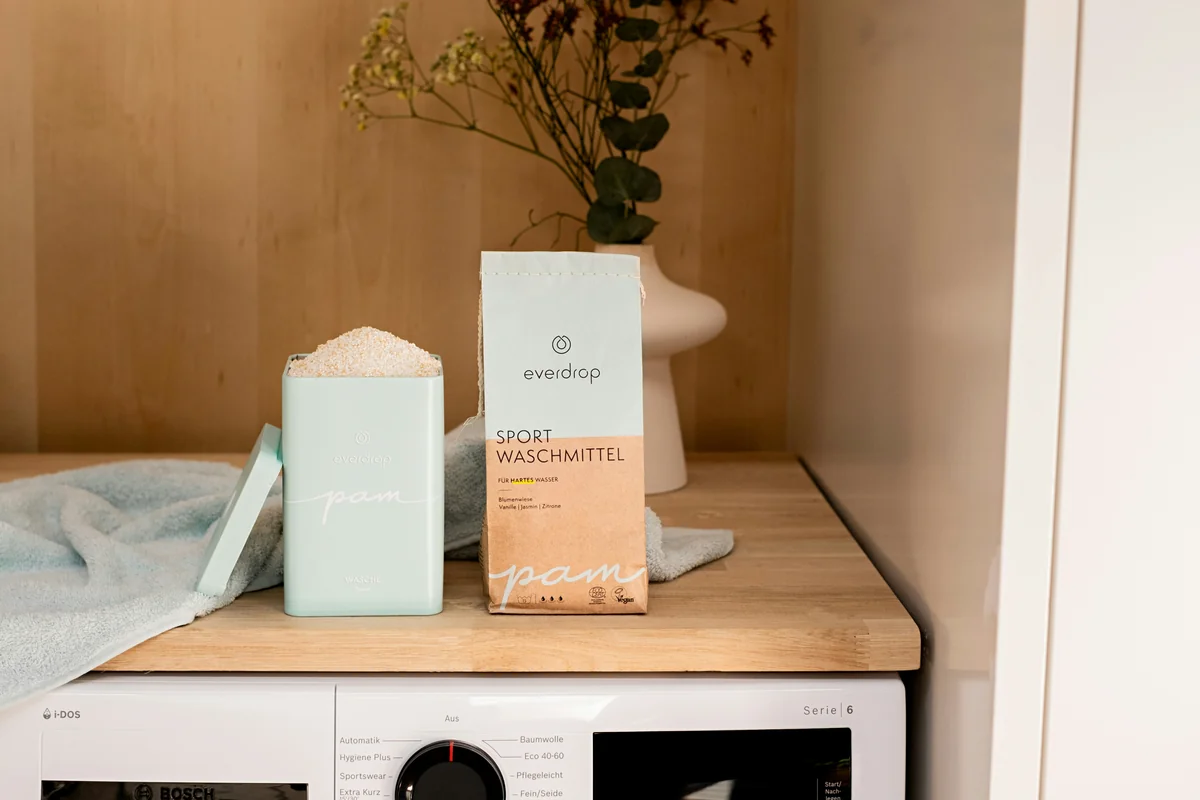
Laundry day has changed. More households now want cleaning products that remove stains effectively without relying on harsh ingredients, excessive plastic, or formulas that may burden waterways. That shift has made it an increasingly useful exercise for shoppers who care about both performance and sustainability. From liquids and pods to strips and powders, today’s options vary widely in ingredients, packaging, scent, price, and washing power.
Table of Contents
- Why comparing eco-friendly detergents matters
- The most common detergent types and how they differ
- Liquid detergents
- Powder detergents
- Laundry pods
- Laundry strips
- Key features to evaluate before choosing a brand
- Cleaning performance
- Ingredient transparency
- Fragrance options
- Certifications
- Packaging sustainability
- Value per load
- Popular eco-friendly detergents compared by household needs
- Best for sensitive skin
- Best for stain removal
- Best for low-waste living
- Best for convenience
- Best for budget-conscious households
- Best for cold-water washing
- Tips for getting the best results from eco-friendly detergent
- FAQ: Comparing the most popular eco-friendly laundry detergents
- Are eco-friendly laundry detergents as effective as conventional ones?
- Which format is most sustainable?
- What is best for sensitive skin?
- Are laundry strips better than liquid detergents?
- How can I tell if a detergent is truly eco-friendly?
- Conclusion
This guide is designed to simplify the decision. Instead of focusing only on marketing claims, it looks at what matters most in real-world use: cleaning ability, ingredient transparency, skin sensitivity, environmental impact, and overall value. By this, you can identify which product best fits your laundry habits, household needs, and environmental priorities.
Why comparing eco-friendly detergents matters
When it comes to these, many consumers discover that “eco-friendly” is not a single standard. Some brands focus on plant-based surfactants, while others prioritize recyclable packaging, concentrated formulas, or refill systems. A detergent can be marketed as green but still fall short in areas such as stain removal, fragrance sensitivity, or affordability.
That is why they should start with a clear set of criteria. The most important factors usually include:
– Ingredients: Look for formulas free from phosphates, chlorine bleach, optical brighteners, and unnecessary dyes.
– Biodegradability: Many shoppers prefer ingredients that break down more safely in the environment.
– Packaging: Cardboard boxes, refill pouches, recyclable bottles, and plastic-free formats all reduce waste.
– Performance: Eco-friendly should still mean effective on everyday dirt, odors, and common stains.
– Skin friendliness: Sensitive-skin households often need fragrance-free or dermatologist-tested options.
– Cost per load: A product may seem affordable until the actual number of loads is calculated.
By the concept through these practical lenses, shoppers can avoid choosing a product based only on branding. A family with children may need stronger stain-fighting ability, while a single-person household may care more about compact storage and low waste. Not every detergent suits every home.
Another reason this comparison matters is water temperature and machine type. Some detergents are optimized for cold water, while others perform better in warm cycles. Certain products work especially well in high-efficiency washers, but others may leave residue if not dissolved properly. the approach helps uncover these usage differences before they become frustrations.
The most common detergent types and how they differ
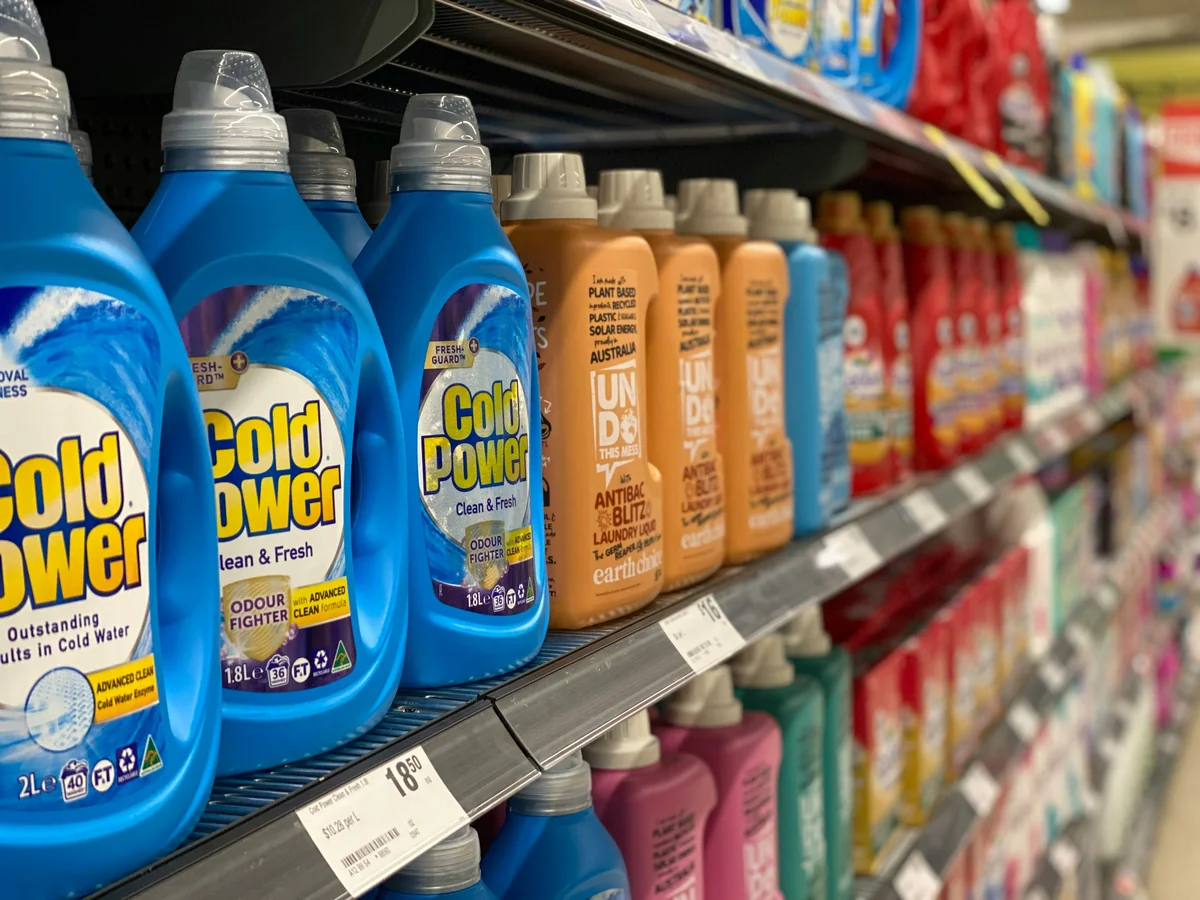
A big part of it is understanding the main product formats. Each type has strengths and weaknesses, and the best choice often depends on convenience, storage, and washing habits.
Liquid detergents
Liquid eco detergents are widely available and usually perform well on greasy stains. They are easy to measure and can be applied directly to fabric as a pre-treatment. However, they often come in plastic bottles, even when concentrated. Some brands offset this with refill programs or post-consumer recycled plastic.
Pros:
– Good for stain pre-treatment
– Easy to use in most machines
– Commonly available
Cons:
– Plastic packaging is still common
– Overpouring can waste product
– Bulkier to store and transport
Powder detergents
Powders often come in cardboard packaging, which appeals to zero-waste-minded buyers. They can be cost-effective and may work especially well for general soil and odor removal. Still, they sometimes dissolve less effectively in cold water or quick cycles.
Pros:
– Often lower-plastic packaging
– Usually economical
– Lightweight and shelf-stable
Cons:
– Can clump in humid spaces
– May leave residue in some conditions
– Less convenient for spot treatment
Laundry pods
Pods are convenient and pre-measured, reducing overuse. They are popular among busy households, but the water-soluble film and multi-layer packaging can raise questions for some eco-conscious buyers. Pods also tend to cost more per load.
Pros:
– Convenient and mess-free
– No measuring required
– Compact storage
Cons:
– Often more expensive
– Less flexible for small loads
– Not ideal in homes with very young children if stored improperly
Laundry strips
Laundry strips have gained attention as a low-waste option. They are lightweight, compact, and often packaged in cardboard. In this, strips stand out for minimal shipping weight and reduced packaging waste. Their downside is that performance can vary, especially on heavy stains or heavily soiled work clothes.
Pros:
– Minimal packaging
– Lightweight and travel-friendly
– Easy to store
Cons:
– Performance differs by brand
– Limited pre-treatment ability
– May struggle with difficult stains
Understanding these formats is essential when these, because a great product on paper may not match your laundry routine. Someone washing gym clothes, baby garments, and bedding every week may need something very different from someone washing lightly worn office clothes.
Key features to evaluate before choosing a brand
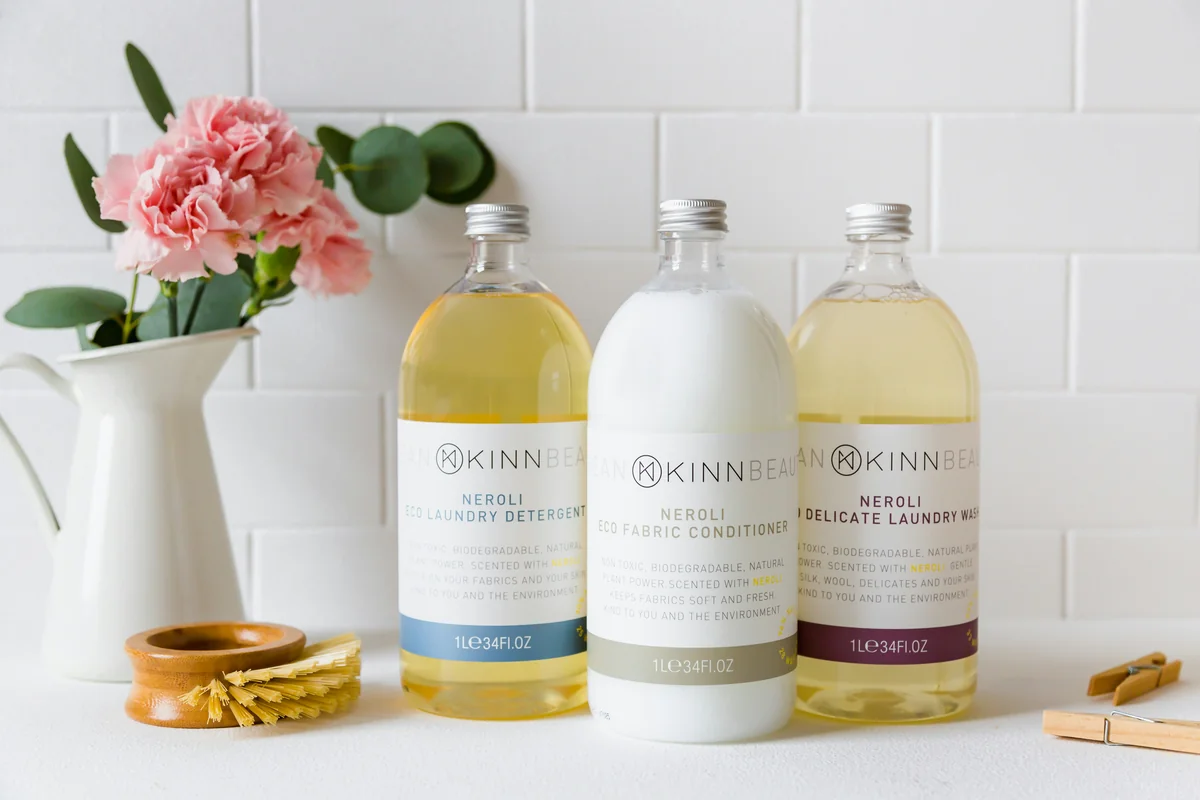
For shoppers serious about they, looking beyond labels is crucial. Several product features deserve closer attention.
Cleaning performance
This is still the most important measure. Eco detergents should handle sweat, food stains, body oils, and everyday dirt. Some products perform well on lightly soiled clothing but need a booster or pre-treatment for tougher jobs. If your loads often include uniforms, sportswear, or kids’ clothes, prioritize performance over trendiness.
Ingredient transparency
Brands that list major ingredients clearly tend to inspire more trust. Vague terms such as “natural formula” do not always reveal much. In the concept, products with recognizable surfactants, enzyme details, and transparent fragrance disclosure usually stand out.
Fragrance options
Scent can be a deal-breaker. Some consumers enjoy lavender, citrus, or fresh-linen scents derived from essential oils or safer fragrance blends. Others need completely fragrance-free detergent due to allergies, eczema, or asthma triggers. The best brands usually offer both scented and unscented versions.
Certifications
Third-party certifications can help verify sustainability and safety claims. Examples include:
– EPA Safer Choice
– USDA Biobased
– Leaping Bunny
– Cruelty-free labels
– Septic-safe claims
– Vegan certifications
While certifications are not everything, they are helpful when Comparing the most popular eco-friendly laundry detergents and separating marketing from meaningful standards.
Packaging sustainability
Many eco shoppers focus heavily on the bottle or box. Refillable systems, concentrated liquids, recyclable cardboard, compostable shipping materials, and reduced plastic all matter. A detergent with a greener formula but wasteful packaging may not be the strongest all-around choice.
Value per load
Premium eco detergents can cost more upfront, but a concentrated formula may lower the cost per load. Always compare based on actual wash loads, not package price. This step is often overlooked when Comparing the most popular eco-friendly laundry detergents, but it has a major effect on long-term affordability.
Popular eco-friendly detergents compared by household needs
The real value in Comparing the most popular eco-friendly laundry detergents comes from matching products to specific lifestyles. Rather than declaring one detergent universally best, it is more useful to identify which type works best for different priorities.

Best for sensitive skin
Fragrance-free liquid or powder detergents are often the safest choice for households managing skin sensitivity. These formulas usually avoid dyes, heavy perfumes, and common irritants. They may be especially useful for baby clothes, bedding, and undergarments. If skin comfort is the top priority, choose products labeled hypoallergenic and tested for sensitive skin.
Best for stain removal
For homes with active children, pets, or outdoor workwear, enzyme-based liquid detergents often perform best. These formulas can break down proteins, grease, and food stains more effectively than some ultra-minimalist alternatives. In Comparing the most popular eco-friendly laundry detergents, stronger stain fighters may use slightly more complex formulas, but they can reduce the need for separate stain products.
Best for low-waste living
Laundry strips and cardboard-box powders appeal most to shoppers trying to reduce packaging waste. They take up little space, ship efficiently, and often avoid bulky plastic jugs. However, households with frequent tough stains may need to pair them with an eco stain remover.
Best for convenience
Pods remain appealing for people who want speed and consistency. They help avoid over-measuring and are simple for busy routines. If convenience matters most, eco-minded pods can be a reasonable compromise, especially if the brand uses concentrated ingredients and responsibly sourced materials.
Best for budget-conscious households
Powders and concentrated liquids often provide the best cost per load. They may not have the sleek branding of newer detergent strips, but they often stretch further. Comparing the most popular eco-friendly laundry detergents from a budget angle often reveals that the least flashy products can offer the best long-term value.
Best for cold-water washing
Many sustainable households use cold water to save energy. In that case, choose a detergent specifically designed to dissolve and clean effectively at lower temperatures. Some modern liquids and strips are optimized for this, while certain powders may need more agitation or warmer water.
By Comparing the most popular eco-friendly laundry detergents based on these household needs, the decision becomes less overwhelming. The best choice depends on your priorities: skin safety, stain performance, cost, convenience, or waste reduction.
Tips for getting the best results from eco-friendly detergent
Even the strongest product can disappoint if used incorrectly. That is another reason Comparing the most popular eco-friendly laundry detergents should include usage habits, not just ingredients.
First, avoid using too much detergent. Eco formulas are often concentrated, and excess product can leave residue on clothes and inside the washer. Follow load instructions carefully and reduce the amount for lightly soiled laundry.
Second, sort clothes properly. Heavy fabrics, towels, delicates, and stain-prone garments should not always be washed together. Better sorting improves detergent performance and reduces wear.
Third, pre-treat stubborn stains. One reason some consumers think green detergents are weaker is that they expect a single wash to handle set-in stains. For better outcomes when Comparing the most popular eco-friendly laundry detergents, apply a small amount directly to the stain or use a compatible eco stain remover before washing.
Fourth, maintain your washing machine. Residue, mildew, and hard-water buildup can make any detergent seem less effective. Clean the drum, detergent drawer, and filter regularly.
Fifth, adjust for water hardness. Hard water can interfere with detergent performance. If your clothes seem dull or less clean, your detergent may not be the problem. Some households benefit from adding a water softener or choosing formulas built for mineral-heavy water.
Finally, choose the right cycle and water temperature. Delicate cycles may not fully dissolve some powders, while quick washes may underperform with heavily soiled loads. Comparing the most popular eco-friendly laundry detergents becomes much more accurate when products are used under the right conditions.
FAQ: Comparing the most popular eco-friendly laundry detergents
Are eco-friendly laundry detergents as effective as conventional ones?
Yes, many are. When Comparing the most popular eco-friendly laundry detergents, you will find that high-quality formulas can clean everyday laundry very well. The main differences usually appear with stubborn stains, heavy odors, or very dirty workwear, where enzyme-rich or liquid formulas may perform better.
Which format is most sustainable?
There is no single answer, but Comparing the most popular eco-friendly laundry detergents often shows that strips and powders in cardboard packaging have an advantage in reducing plastic and shipping weight. Still, overall sustainability also depends on ingredient sourcing, manufacturing, and product effectiveness.
What is best for sensitive skin?
Fragrance-free and dye-free formulas are usually the best starting point. In Comparing the most popular eco-friendly laundry detergents, sensitive-skin households often prefer hypoallergenic liquids or powders with simple ingredient lists and no added perfume.
Are laundry strips better than liquid detergents?
They can be better for storage, travel, and packaging waste. However, Comparing the most popular eco-friendly laundry detergents usually reveals that liquids often perform better for pre-treating and removing tougher stains. The best option depends on your priorities.
How can I tell if a detergent is truly eco-friendly?
Look at ingredients, certifications, packaging, concentration, and brand transparency. Comparing the most popular eco-friendly laundry detergents carefully means checking beyond front-label claims and reviewing how the product performs in daily use.
Conclusion
For modern households, Comparing the most popular eco-friendly laundry detergents is one of the smartest ways to shop more intentionally. The right detergent should balance cleaning power, skin safety, sustainability, packaging, and value rather than excelling in only one area. Some homes will benefit most from fragrance-free liquid formulas, while others may prefer low-waste strips, economical powders, or ultra-convenient pods.
The key is to match the product to your actual laundry habits. By Comparing the most popular eco-friendly laundry detergents, you can move past vague green marketing and choose a detergent that fits your budget, your machine, your fabrics, and your environmental goals. A thoughtful choice will not only keep clothes fresh and clean but also make your everyday routine more efficient and responsible.