Introduction
When shoppers stand in the cleaning aisle, compare pantry staples, or restock bathroom essentials, the same question often comes up: are premium household products really worth the extra cost, or do generic alternatives deliver similar value for less? This Honest comparison of premium vs generic household brands looks beyond labels, packaging, and marketing to examine how these products differ in performance, ingredients, durability, consistency, and long-term cost. While brand loyalty often influences buying decisions, smart shopping depends on understanding what you actually get for your money. In many cases, premium options justify their price. In others, generic products offer nearly identical results at a fraction of the cost. This guide explores where the biggest differences show up and how to choose wisely for your budget and your home.
Table of Contents
- Introduction
- What Shoppers Usually Mean by Premium and Generic
- Performance, Ingredients, and Product Reliability
- Price, Value, and the Hidden Cost of Cheap Products
- Where Premium Brands Tend to Win—and Where Generic Often Matches
- How to Test and Choose the Best Option for Your Home
- FAQ
- Are premium household brands always better than generic ones?
- Which household items are safest to buy generic?
- When is it worth paying more for premium brands?
- Do generic brands use the same ingredients as premium brands?
- How can I compare value correctly?
- Conclusion
What Shoppers Usually Mean by Premium and Generic
An Honest comparison of premium vs generic household brands starts with clear definitions. “Premium” household brands are typically marketed as higher quality, better performing, more durable, or more refined in terms of scent, packaging, ingredients, or user experience. These products often come with stronger branding, larger advertising budgets, and claims about innovation or superior materials.
“Generic” household brands, on the other hand, are usually store brands, private labels, or lower-cost alternatives designed to compete directly with established names. They may imitate the size, function, or intended benefits of premium goods while reducing costs in branding, packaging, and sometimes formulation.
In practical terms, the difference is not always dramatic. Many generic products are made in the same factories as branded ones or use similar base ingredients. However, formulation percentages, quality control standards, and product consistency can vary. For consumers, this means one category might show almost no difference between premium and generic, while another may reveal a clear gap in effectiveness.
A useful Honest comparison of premium vs generic household brands also recognizes the role of perception. Premium brands often signal trust, familiarity, and reliability. Shoppers may assume the more expensive option works better even when side-by-side performance is similar. At the same time, some generic brands have improved so much over the years that they now compete strongly in categories once dominated by major household names.
The key point is that “premium” does not automatically mean “best,” and “generic” does not automatically mean “inferior.” The smart approach is to judge products by purpose. A paper towel used for a small kitchen spill may not need top-tier absorbency, while a laundry detergent for sensitive skin may benefit from stronger formulation standards and clearer ingredient testing.
This is why any Honest comparison of premium vs generic household brands must focus on function rather than image. Consumers often save the most money by mixing both types strategically instead of committing fully to one side.
Performance, Ingredients, and Product Reliability
The most important part of an Honest comparison of premium vs generic household brands is how well products actually work in everyday use. Performance is where higher prices either become justified or begin to look inflated.
Take cleaning products as an example. Premium all-purpose cleaners may offer stronger grease-cutting agents, more refined scents, or residue-free finishes. In high-demand situations such as deep-cleaning kitchens, scrubbing soap scum, or removing stubborn stains, these differences may matter. Generic cleaners often handle light maintenance cleaning effectively, but they can sometimes require more product or more effort to achieve the same result.
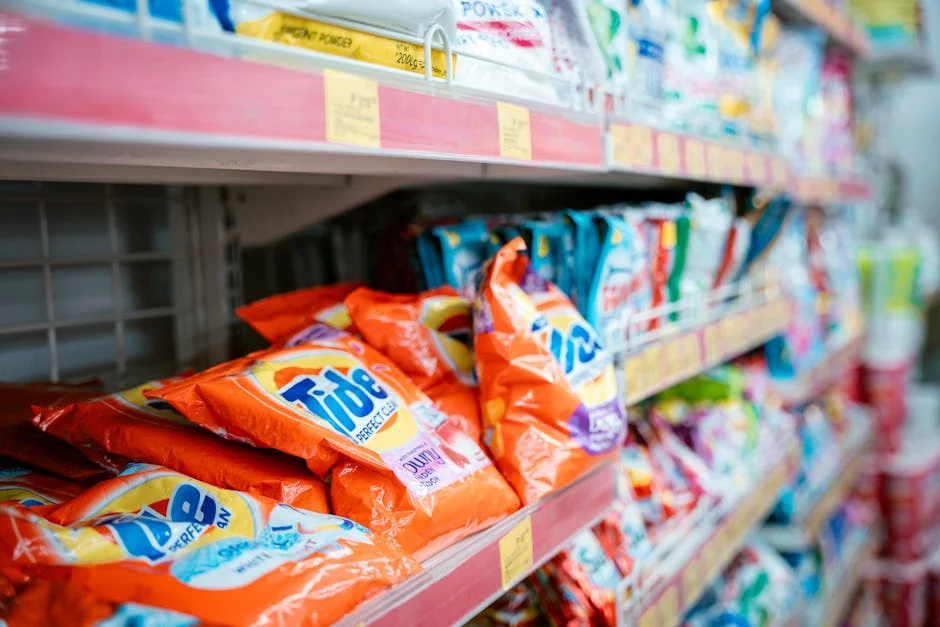
Laundry detergent is another category where brand differences can show up clearly. Premium formulas often include multiple enzymes, fabric care agents, stain-fighting compounds, and scent technologies. Generic detergents may still clean everyday loads well, especially if clothes are only lightly soiled. However, households with children, athletes, pets, or work uniforms may notice that premium detergents perform better on tough stains and odor control.
Paper goods reveal a different story. In an Honest comparison of premium vs generic household brands, tissues, paper towels, and toilet paper often come down to texture, absorbency, and sheet strength. Premium versions may feel softer, last longer per roll, or absorb more with fewer sheets. Yet some generic options now perform so closely to premium brands that the savings can be substantial without much sacrifice in comfort.
Ingredients also influence product value. Premium brands may advertise plant-based ingredients, dermatologist testing, fragrance-free formulas, or fewer harsh chemicals. These features can matter for households with allergies, babies, or sensitive skin. Generic brands may offer similar claims, but not always with the same level of testing, transparency, or consistency across product lines.
Reliability matters just as much as raw performance. A generic dish soap that works well one month but seems watered down the next creates frustration. Premium brands often charge more partly because they invest in quality control and product stability. Consumers are not just paying for performance; they are often paying for predictable performance.
Still, not every household needs maximum performance in every category. Basic trash bags, aluminum foil, sponges, and food storage bags may show minimal practical difference depending on use. That is why the best Honest comparison of premium vs generic household brands does not ask which side always wins. Instead, it asks where paying more produces a meaningful advantage.
Price, Value, and the Hidden Cost of Cheap Products
Many consumers assume generic automatically means better value, but an Honest comparison of premium vs generic household brands shows that price and value are not identical. A lower sticker price helps only if the product lasts, performs, and avoids waste.

For example, a cheaper paper towel may cost less per pack but require twice as many sheets to clean a spill. A lower-priced detergent may need a larger amount per load. Budget trash bags that tear easily can create messes, wasted liners, and frustration that outweigh the original savings. In these situations, the premium option may actually deliver a lower cost per effective use.
Value is best measured in terms of unit economics and real-life output. Consumers should compare cost per ounce, cost per sheet, cost per load, or cost per use rather than package price alone. This simple shift often changes which product appears more affordable.
Bulk buying also affects the premium-versus-generic equation. Premium brands frequently go on sale, offer coupons, or appear in warehouse-size formats that narrow the price gap. Meanwhile, store brands may maintain low everyday pricing but have less room for additional discounts. A smart buyer doing an Honest comparison of premium vs generic household brands should always compare sale prices rather than regular shelf prices only.
Another hidden cost is time and inconvenience. If a generic surface cleaner requires repeated applications, if a low-cost mop pad falls apart quickly, or if a cheaper dishwasher tablet leaves residue that forces rewashing, then the “savings” become questionable. Some shoppers place a high value on convenience and consistency, which makes premium products more attractive despite the higher upfront expense.
That said, generic brands can be excellent value leaders in staple categories where performance differences are minor. Cotton balls, baking soda, bleach, hand soap refill packs, and basic food wrap often offer little reason to pay extra for a premium label. In these categories, cost savings are usually real and repeatable.
A balanced Honest comparison of premium vs generic household brands also accounts for household priorities. A family managing a tight monthly budget may prioritize lower immediate cost over marginal improvements. Another household may prefer premium products in a few high-use categories while buying generic elsewhere. Neither approach is wrong; value depends on what matters most to the buyer.
Ultimately, the cheapest item is not always the smartest purchase, and the most expensive one is not always the best. The strongest buying strategy comes from identifying where product failure would be costly or annoying and where lower-cost substitutions are perfectly acceptable.
Where Premium Brands Tend to Win—and Where Generic Often Matches
A practical Honest comparison of premium vs generic household brands should identify the categories where premium products most often justify their reputation and the categories where generic products have effectively caught up.

Premium brands tend to win in the following areas:
– Laundry care for tough stains: Better enzyme blends and fabric protection can make a visible difference.
– Dishwasher detergents: Premium pods and tablets often reduce spotting, residue, and rewashing.
– Sensitive-skin or specialty products: Baby detergents, hypoallergenic cleaners, and dermatologist-tested soaps may offer better assurance.
– High-durability paper products: Premium paper towels and toilet paper can outperform cheap versions in absorbency and comfort.
– Trash bags: Strength, odor control, and puncture resistance often justify paying more.
Generic brands often match premium well in these categories:
– Bleach and baking soda: These are basic chemical staples with little functional difference.
– Foil, parchment paper, and plastic wrap: Performance can be very similar depending on thickness.
– All-purpose pantry staples: Sugar, salt, flour, and similar basics are often interchangeable.
– Hand soap refills and simple disinfecting solutions: Store brands often perform adequately for everyday needs.
– Cotton products and simple household tools: Many generic versions are entirely sufficient.
This Honest comparison of premium vs generic household brands becomes more useful when consumers think in terms of risk. If poor performance would create a significant inconvenience, such as ruined laundry, leaking trash, or skin irritation, premium may be the safer buy. If the product serves a simple function with little room for quality variation, generic is often the rational choice.
Another factor is usage frequency. If you use a product every day, even small differences in quality become more noticeable over time. Premium dish soap used multiple times a day may feel worth the extra money because of concentration, scent, and grease-cutting power. But for products used occasionally, the premium advantage may be too small to matter.
Brand innovation also plays a role. Premium companies tend to launch improvements first, such as faster-dissolving detergent pods, stronger absorbent layers, eco-focused formulas, or ergonomic packaging. Generic brands often follow later with similar features at a lower cost. Consumers who want the newest formulas may prefer premium, while those comfortable waiting can often save money with store-brand versions.
The most realistic Honest comparison of premium vs generic household brands ends with a mixed-basket strategy. Many experienced shoppers buy premium in “performance-critical” categories and generic in low-risk staples. This approach protects both quality and budget.
How to Test and Choose the Best Option for Your Home
The smartest Honest comparison of premium vs generic household brands is not based solely on reviews or advertising. It is based on your own home, your own routines, and your own priorities. A product that feels essential in one household may be unnecessary in another.
Start by dividing purchases into three groups:
- Must-perform products
These are items where failure creates real problems, such as detergent, trash bags, dishwasher pods, or baby-safe products.
- Comfort-based products
These include tissues, toilet paper, scented cleaners, and personal household preferences where feel and experience matter.
- Commodity products
These are basics like bleach, baking soda, storage bags for light use, or pantry staples where differences may be minimal.
Then test products one category at a time. Buy a premium and generic version and compare them for:
– Ease of use
– Amount needed per use
– Cleaning or performance results
– Durability
– Scent or skin sensitivity
– Packaging convenience
– Cost per use
A short testing period can reveal more than online opinion. Your surfaces, water hardness, washing machine, family habits, and sensitivities all affect performance. One household may find generic dishwasher detergent completely acceptable, while another sees cloudy glasses and food residue.
An Honest comparison of premium vs generic household brands should also factor in household composition. Homes with children, pets, allergy concerns, or heavy daily use may benefit more from premium formulas. Single-person households or low-use environments may find that generic products offer excellent efficiency.
Do not overlook environmental and ethical factors either. Some premium brands justify higher prices with recyclable packaging, concentrated formulas, cruelty-free testing, or safer ingredient standards. For some buyers, these benefits are part of value. Generic brands may offer fewer of these features, though many are improving.
It is also wise to avoid making decisions based on one bad product. A poor generic paper towel does not mean all store brands are weak. Likewise, a premium label on a disappointing cleaner does not prove premium always means better. Product quality varies within both groups.
The strongest Honest comparison of premium vs generic household brands leads to intentional shopping habits:
– Compare unit prices
– Watch for premium sales
– Read ingredient labels
– Test before committing in bulk
– Prioritize premium only where performance really matters
– Use generic options where quality differences are negligible
That approach gives consumers the best of both worlds: reliable results and lower total spending.
FAQ
Are premium household brands always better than generic ones?
No. An Honest comparison of premium vs generic household brands shows that premium products are not automatically better in every category. Some outperform generic competitors clearly, especially in detergent, trash bags, and specialty products. But for basic staples like bleach, baking soda, and some paper goods, generic versions may offer nearly the same performance for less money.

Which household items are safest to buy generic?
In an Honest comparison of premium vs generic household brands, the safest generic buys are usually simple, standardized items with limited formulation differences. Examples include baking soda, bleach, aluminum foil, sugar, salt, and cotton balls. These products often deliver good value without sacrificing function.
When is it worth paying more for premium brands?
It is usually worth paying more when performance, durability, or skin sensitivity really matter. An Honest comparison of premium vs generic household brands often favors premium products for stain-fighting laundry detergent, dishwasher tablets, stronger trash bags, and certain hypoallergenic or baby-safe products.
Do generic brands use the same ingredients as premium brands?
Sometimes they use similar base ingredients, but not always in the same amounts or with the same supporting additives. An Honest comparison of premium vs generic household brands reveals that concentration, fragrance quality, enzyme blends, and quality control can differ even when labels appear similar.
How can I compare value correctly?
The best method in an Honest comparison of premium vs generic household brands is to look beyond shelf price. Compare cost per ounce, cost per load, cost per roll, or cost per effective use. A cheaper product that requires more to do the same job may not be the better value in the long run.
Conclusion
This Honest comparison of premium vs generic household brands makes one thing clear: the better choice depends on category, usage, and personal priorities rather than price alone. Premium brands can justify their cost through stronger performance, better consistency, improved comfort, and specialized formulas. Generic brands can deliver excellent savings, especially in basic staples where functional differences are small. The smartest shoppers do not treat this as an all-or-nothing decision. Instead, they choose premium where failure is costly and generic where quality gaps are minimal. By comparing unit prices, testing products at home, and focusing on real-world results, consumers can build a household shopping strategy that balances budget, reliability, and everyday satisfaction.