Introduction
Knowing How to spot high-quality materials in everyday household goods can save you money, reduce waste, and improve your daily life. From cookware and furniture to towels, storage containers, and cleaning tools, the materials used in common products often determine how long they last and how well they perform. Many items look appealing on the shelf, but appearance alone rarely tells the full story. Learning what to examine before you buy helps you avoid flimsy construction, misleading labels, and low-grade finishes.
Table of Contents
- Introduction
- Why Material Quality Matters in Household Goods
- How to Evaluate Common Household Materials
- 1. Metals
- 2. Wood
- 3. Fabrics and Textiles
- 4. Plastics and Silicone
- 5. Glass and Ceramics
- Signs of Quality Construction Beyond the Material
- Consistent Assembly
- Secure Connections
- Smooth Finishing
- Functional Testing
- Label Transparency
- Room-by-Room Guide to Better Buying Decisions
- Kitchen
- Bathroom
- Bedroom
- Living Room
- Laundry and Utility Areas
- Common Red Flags That Suggest Low-Quality Materials
- 1. Overly Light Weight
- 2. Strong Chemical Smell
- 3. Inconsistent Texture or Color
- 4. Loose Threads, Gaps, or Wobble
- 5. Vague Product Descriptions
- 6. Fake Surface Appeal
- 7. Unclear Care Instructions
- FAQ
- What is the easiest way to learn How to spot high-quality materials in everyday household goods?
- Are expensive household goods always made from better materials?
- Which materials usually last the longest in household products?
- How can I tell if wood furniture is solid wood or a veneer?
- Is plastic always lower quality than glass or metal?
- Conclusion
This guide explains How to spot high-quality materials in everyday household goods using practical, easy-to-apply checks. You’ll learn how to assess metals, wood, fabrics, plastics, ceramics, and more, so you can make smarter purchasing decisions with confidence.
Why Material Quality Matters in Household Goods
Understanding How to spot high-quality materials in everyday household goods begins with recognizing why materials matter so much. Quality materials affect durability, safety, comfort, maintenance needs, and even appearance over time. A low-cost item may seem like a bargain, but if it cracks, rusts, warps, pills, or breaks quickly, it often costs more in the long run.
When evaluating household products, think beyond brand names and packaging. A well-made product usually reflects thoughtful material selection, consistent finishing, and solid construction. For example:
– Stainless steel cookware with proper thickness resists warping better than thin, low-grade metal.
– Solid wood furniture generally outlasts particleboard held together with weak veneers.
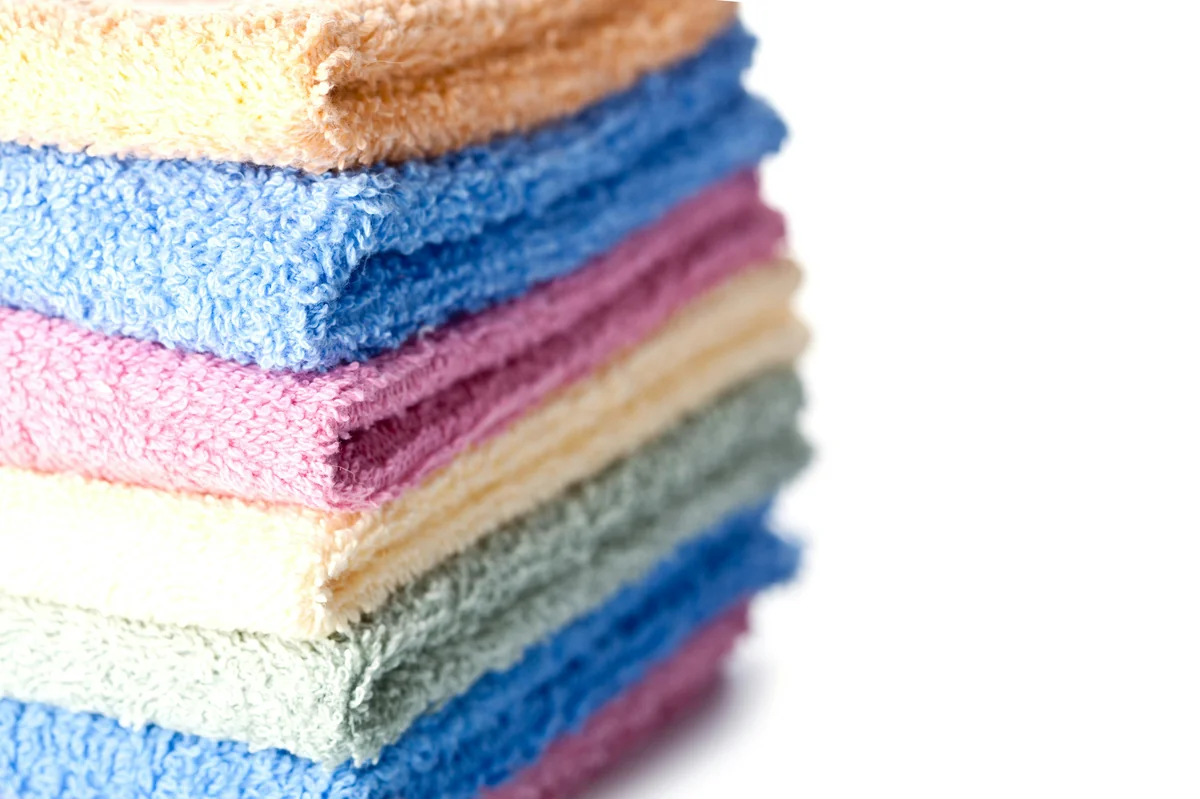
– Dense cotton towels tend to absorb better and remain usable longer than loosely woven alternatives.
– Glass food storage often resists staining and odor retention better than lower-grade plastic.
A key part of How to spot high-quality materials in everyday household goods is separating marketing language from real indicators of quality. Terms like “premium,” “luxury,” or “commercial grade” can be vague unless supported by specific material details. Look for measurable information such as fiber content, metal grade, wood species, or manufacturing standards.
You should also consider how a product will be used. Items exposed to heat, moisture, friction, or weight need stronger materials than decorative pieces. Kitchen tools, bath textiles, storage bins, mattresses, and cleaning accessories all perform better when material quality matches their purpose.
In many cases, high-quality materials are visible through small details: even seams, balanced weight, smooth edges, tight joints, and consistent texture. The more often you practice these checks, the easier How to spot high-quality materials in everyday household goods becomes.
How to Evaluate Common Household Materials
A practical way to learn How to spot high-quality materials in everyday household goods is to break products down by material type. Each material has its own signs of durability and value.
1. Metals
Metals appear in cookware, utensils, shelving, lamps, tools, and bathroom fixtures. Quality metal goods should feel sturdy, balanced, and resistant to bending.
Look for:
– Stainless steel grades: Higher-quality stainless steel is more corrosion-resistant. In cookware and kitchen tools, thicker steel usually performs better.
– Weight and rigidity: Extremely light metal can indicate thin construction.
– Welds and joints: Clean, smooth joins suggest better manufacturing.
– Finish consistency: Uneven coating or peeling paint may point to poor quality.
Avoid products with sharp unfinished edges, visible weak spots, or metal that flexes too easily.
2. Wood
Furniture, cutting boards, utensils, and shelving often use wood or engineered wood products. Solid wood generally offers better longevity, though not all solid wood is equal.
Check for:
– Grain pattern: Real wood usually shows natural variation, while fake wood finishes may repeat patterns.
– Weight: Denser wood often feels more substantial.
– Joinery: Dovetail, mortise-and-tenon, and strong screws are better signs than staples alone.
– Surface finish: Smooth but not overly plasticky finishes usually indicate better craftsmanship.
Particleboard and MDF can be useful in some settings, but they are often less moisture-resistant and less durable than solid wood or quality plywood.
3. Fabrics and Textiles
To understand How to spot high-quality materials in everyday household goods, textiles deserve special attention. Bedding, curtains, towels, rugs, and upholstery all vary widely in quality.
Look for:
– Fiber content: Natural fibers such as cotton, wool, and linen often perform well, though synthetic blends can improve durability in some cases.
– Weave density: Tighter weaves generally last longer.
– Stitch quality: Straight, even stitching with no loose threads is a strong sign.
– Fabric feel: Softness matters, but excessive chemical softness can hide weak fibers.
For towels, density and absorbency matter more than exaggerated softness in the store. For bedding, long-staple cotton and tightly woven fabric often signal better quality.
4. Plastics and Silicone
Plastic is common in storage, kitchen utensils, laundry baskets, organizers, and cleaning tools. Not all plastic is poor quality, but the best versions feel durable and are clearly labeled.
Assess:
– Thickness: Thin, brittle plastic cracks more easily.
– Flexibility: Good plastic often has some give without feeling weak.
– Odor: Strong chemical smells can indicate lower-grade material.
– Labeling: Food-safe, BPA-free, and heat-resistant labels can be useful when relevant.
High-quality silicone should feel flexible, smooth, and substantial rather than greasy or flimsy.
5. Glass and Ceramics
Glass containers, mugs, plates, vases, and bakeware should feel balanced and consistent.
Watch for:
– Uniform thickness
– Smooth rims and edges
– No bubbles, cracks, or cloudy imperfections
– Glaze consistency in ceramics
A major part of How to spot high-quality materials in everyday household goods is checking whether the material suits the item’s function. A decorative ceramic piece and an oven-safe baking dish require very different performance standards.
Signs of Quality Construction Beyond the Material
Even if you know How to spot high-quality materials in everyday household goods, materials alone do not determine value. Construction quality is equally important. A strong material used poorly can still lead to a disappointing product.

Here are the most important construction signs to examine:
Consistent Assembly
Look for symmetry, level legs, aligned lids, centered handles, and evenly applied finishes. If a product appears crooked or uneven, it may have been made with poor quality control.
Secure Connections
Check screws, seams, hinges, handles, and attachments. A quality item should not rattle, wobble, or gap at the connection points. In fabric products, seams should be reinforced in high-stress areas.
Smooth Finishing
Good finishing protects the material and improves safety. Wood should be sanded properly, metals should not have burrs, and textiles should not have frayed cut edges unless intentionally designed that way.
Functional Testing
If possible, interact with the item:
– Open and close lids
– Pull drawers
– Fold hinges
– Press handles
– Test zippers
– Feel for balance and grip
One of the best ways to practice How to spot high-quality materials in everyday household goods is to compare multiple similar products side by side. Differences in balance, texture, thickness, and assembly become much easier to notice when items are directly compared.
Label Transparency
Manufacturers that use better materials are often more specific. They may list:
– Stainless steel grade
– Wood species
– Fabric composition
– Country of manufacture
– Care instructions
– Safety certifications
Vague labels can be a warning sign. If packaging focuses heavily on lifestyle claims but says little about actual materials, quality may be questionable.
Room-by-Room Guide to Better Buying Decisions
A useful approach to How to spot high-quality materials in everyday household goods is to think room by room. Different environments create different stress on materials.
Kitchen
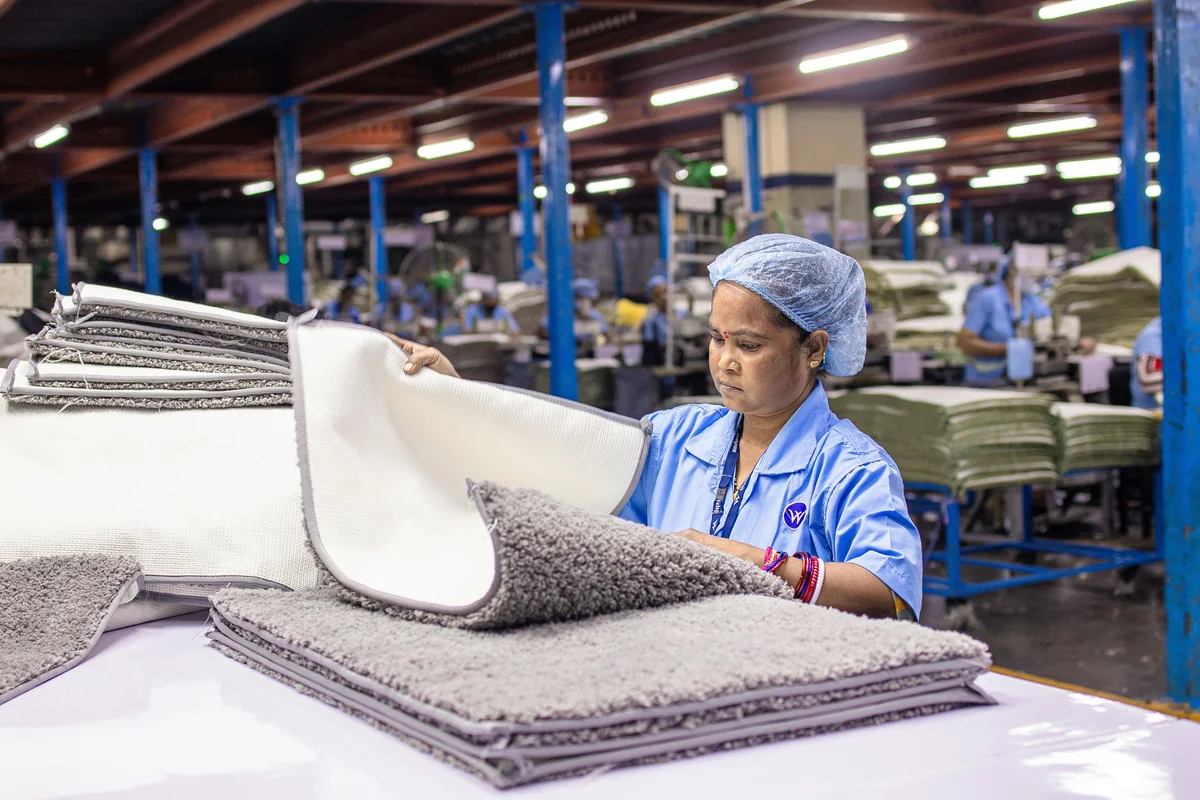
Kitchen goods face heat, moisture, acids, oils, and frequent washing.
Prioritize:
– Thick stainless steel or cast iron cookware
– Solid wood or high-quality composite cutting boards
– Tempered glass storage containers
– Heat-resistant silicone utensils
– Dense ceramics with even glazing
Avoid thin pans that warp, plastic containers with flimsy lids, and utensils that feel hollow or loosely assembled.
Bathroom
Bathrooms expose products to humidity, water, and cleaning chemicals.
Look for:
– Rust-resistant metal fixtures
– Dense cotton towels
– Mold-resistant shower accessories
– Thick plastic or glass organizers
– Strong seals on dispensers and bottles
Understanding How to spot high-quality materials in everyday household goods in the bathroom often comes down to moisture resistance. Materials that absorb water too easily or corrode quickly rarely hold up.
Bedroom
Comfort and longevity are essential here.
Check for:
– Tight-weave bedding
– Strong stitching on sheets and pillowcases
– Solid wood or quality metal bed frames
– Upholstery fabrics with durable rub ratings when available
– Curtains with neat hems and substantial fabric weight
Thin fabrics may look attractive initially but can fade, tear, or lose shape faster.
Living Room
Furniture and soft furnishings experience constant friction and weight.
Choose:
– Frames made from solid wood or durable engineered wood
– Upholstery with dense weaving
– Cushions with resilient fill
– Rugs with tight backing and secure edges
– Shelving that does not flex under pressure
This is another place where How to spot high-quality materials in everyday household goods helps prevent repeat purchases. Well-made furniture often costs more upfront but lasts dramatically longer.
Laundry and Utility Areas
These spaces require impact resistance and practical durability.
Look for:
– Thick plastic hampers
– Powder-coated or stainless shelving
– Reinforced fabric baskets
– Rubberized grips on tools
– Mop and broom components that feel firmly attached
Cheap utility products often fail at handles, hinges, and wheel mounts first, so inspect these carefully.
Common Red Flags That Suggest Low-Quality Materials
Learning How to spot high-quality materials in everyday household goods also means recognizing warning signs quickly. These red flags can help you avoid poor purchases.
1. Overly Light Weight
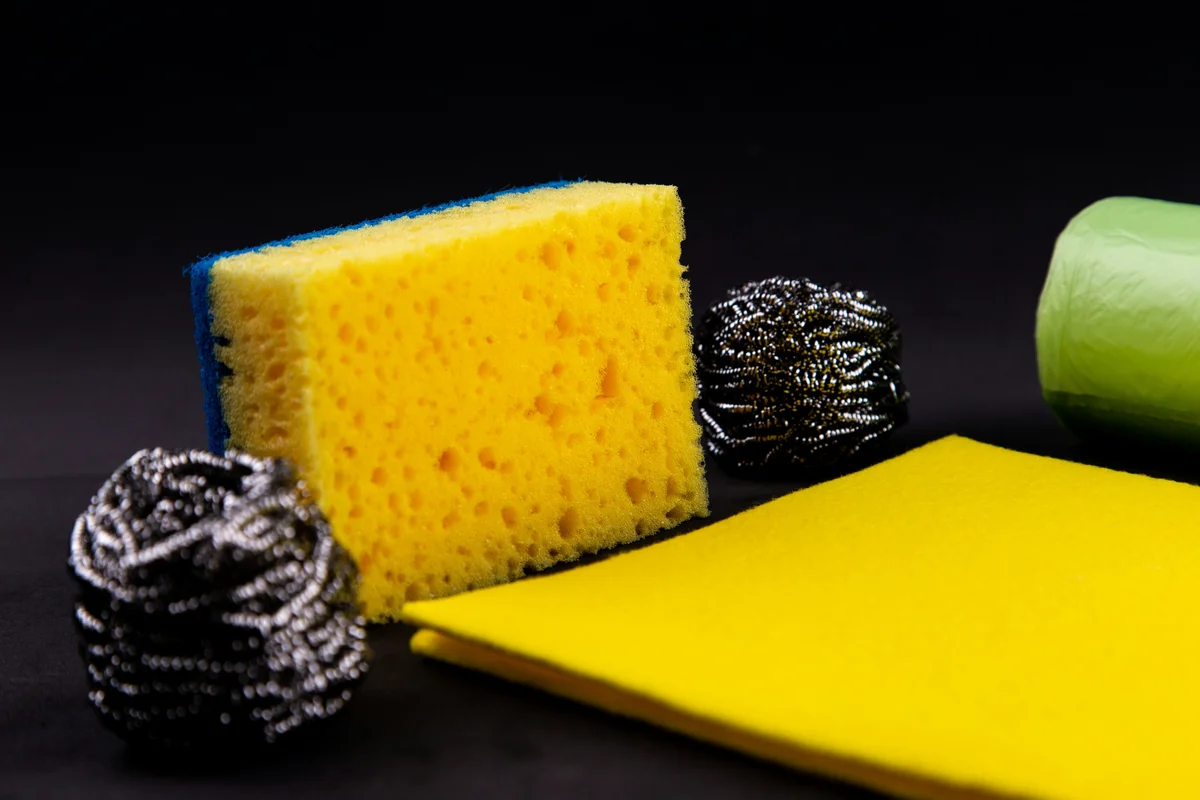
While some lightweight products are intentionally engineered, household goods that feel too light for their category often use thinner or weaker materials.
2. Strong Chemical Smell
A harsh odor may indicate low-grade plastics, adhesives, coatings, or finishes.
3. Inconsistent Texture or Color
Uneven texture, blotchy finish, discoloration, or mismatched parts can signal subpar material batches or rushed manufacturing.
4. Loose Threads, Gaps, or Wobble
These flaws suggest weak construction and often accompany lower-quality materials.
5. Vague Product Descriptions
If a listing says “metal” instead of specifying stainless steel, or “wood” without identifying whether it is solid wood, veneer, MDF, or particleboard, proceed carefully.
6. Fake Surface Appeal
Some items are designed to mimic premium materials using thin coatings, printed finishes, or decorative veneers. To improve at How to spot high-quality materials in everyday household goods, look beneath the surface. Examine hidden sides, undersides, interior edges, and less visible corners.
7. Unclear Care Instructions
High-quality manufacturers usually explain how to maintain the item. Missing or vague care information can reflect low transparency.
FAQ
What is the easiest way to learn How to spot high-quality materials in everyday household goods?
Start by using your senses. Touch the surface, check the weight, inspect seams and joints, and read material labels carefully. The easiest path to learning How to spot high-quality materials in everyday household goods is comparing similar items side by side and noticing which one feels sturdier, denser, smoother, and better assembled.

Are expensive household goods always made from better materials?
No. Price can reflect branding, design, or marketing as much as material quality. How to spot high-quality materials in everyday household goods requires checking the actual components, construction, and labeling rather than assuming the highest price means the best product.
Which materials usually last the longest in household products?
It depends on the item, but solid wood, thick stainless steel, cast iron, tempered glass, dense natural fibers, and high-grade silicone often perform very well. Still, How to spot high-quality materials in everyday household goods also involves making sure the material suits the intended use and is assembled properly.
How can I tell if wood furniture is solid wood or a veneer?
Inspect the edges, underside, and back panels. Solid wood usually shows continuous grain and natural variation, while veneer may reveal a thin surface layer over another core material. A useful part of How to spot high-quality materials in everyday household goods is checking hidden areas where the true structure is easier to see.
Is plastic always lower quality than glass or metal?
Not necessarily. Some plastics are durable, food-safe, impact-resistant, and practical for daily use. The key to How to spot high-quality materials in everyday household goods is identifying thickness, flexibility, odor, labeling, and whether the material is appropriate for the product’s purpose.
Conclusion
Mastering How to spot high-quality materials in everyday household goods helps you buy with more confidence, avoid waste, and choose products that truly last. Once you learn to evaluate weight, texture, density, finish, labeling, and construction, it becomes much easier to distinguish durable items from attractive but poorly made alternatives.
The best approach is simple: inspect closely, compare options, and prioritize material transparency over marketing language. Whether you are shopping for cookware, bedding, furniture, storage, or bathroom accessories, knowing How to spot high-quality materials in everyday household goods gives you a practical advantage. Over time, these habits lead to a home filled with better-performing, longer-lasting, and more reliable everyday essentials.