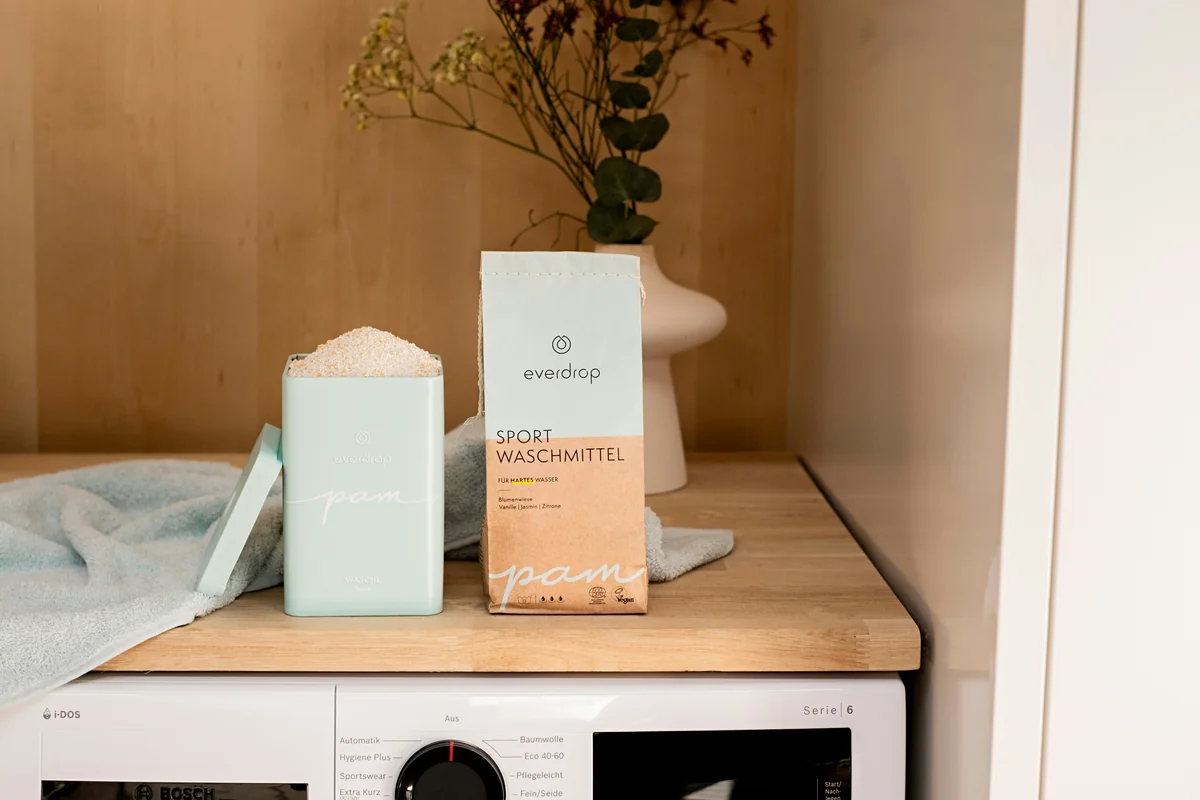
Eco-conscious shoppers want clean clothes without harsh chemicals, excess plastic, or unnecessary environmental harm. That’s why it has become an important topic for households trying to make smarter purchasing decisions. From liquid concentrates and pods to powders and sheets, the market now offers many greener alternatives to conventional detergent brands.
Table of Contents
- Why eco-friendly detergent matters
- Top brands and how they differ
- 1. Seventh Generation
- 2. ECOS
- 3. Mrs. Meyer’s Clean Day
- 4. Biokleen
- 5. Dropps
- 6. Dirty Labs
- Performance, ingredients, and sustainability
- Cleaning performance
- Ingredient transparency
- Packaging and waste
- Water temperature and machine compatibility
- Best options by household need
- Best for sensitive skin
- Best for stain removal
- Best budget option
- Best low-waste option
- Best scented eco-friendly choice
- How to choose the right detergent for your home
- 1. How dirty are your clothes?
- 2. Do you have skin sensitivities?
- 3. What matters more: zero waste or low price?
- 4. Do you use cold water?
- 5. Do you prefer liquid, pods, powder, or sheets?
- FAQ
- What should I look for when comparing eco-friendly laundry detergents?
- Are eco-friendly laundry detergents as effective as regular detergents?
- Which eco-friendly laundry detergent is best for sensitive skin?
- Are detergent pods and sheets more sustainable than liquid detergent?
- Why do some eco-friendly detergents cost more?
- Conclusion
In this guide, we’ll take a practical look at ingredients, packaging, stain-fighting ability, skin sensitivity, price, and overall value. this helps reveal that no single brand is perfect for every home. Some excel in sustainability, others in deep cleaning, and some in affordability. By the end, you’ll know which options best fit your laundry habits, budget, and environmental priorities.
Why eco-friendly detergent matters
When these, it helps to understand what makes a product “eco-friendly” in the first place. In general, greener detergents aim to reduce environmental impact through biodegradable ingredients, safer surfactants, lower-toxicity formulas, cruelty-free testing standards, and more sustainable packaging.
Traditional detergents can include synthetic fragrances, dyes, phosphates, optical brighteners, and preservatives that may be tougher on waterways and sensitive skin. Eco-friendly alternatives often reduce or remove these ingredients. However, not all “green” labels mean the same thing, so they requires checking third-party certifications, ingredient transparency, and product performance rather than relying on marketing alone.
Here are the main factors to evaluate:
– Ingredients: Look for plant-based surfactants, biodegradable components, and clear labeling.
– Packaging: Cardboard, aluminum, refill systems, and concentrated formulas usually create less waste.
– Performance: A detergent should still remove stains, odors, and body oils effectively.
– Skin-friendliness: Fragrance-free or hypoallergenic formulas may be better for sensitive users.
– Cost per load: A low shelf price does not always mean the best value.
– Compatibility: Some products work better in high-efficiency washers, cold water, or hard water.
Ultimately, the concept is about balancing cleaning power with sustainability. The best choice depends on your household’s priorities.
Top brands and how they differ
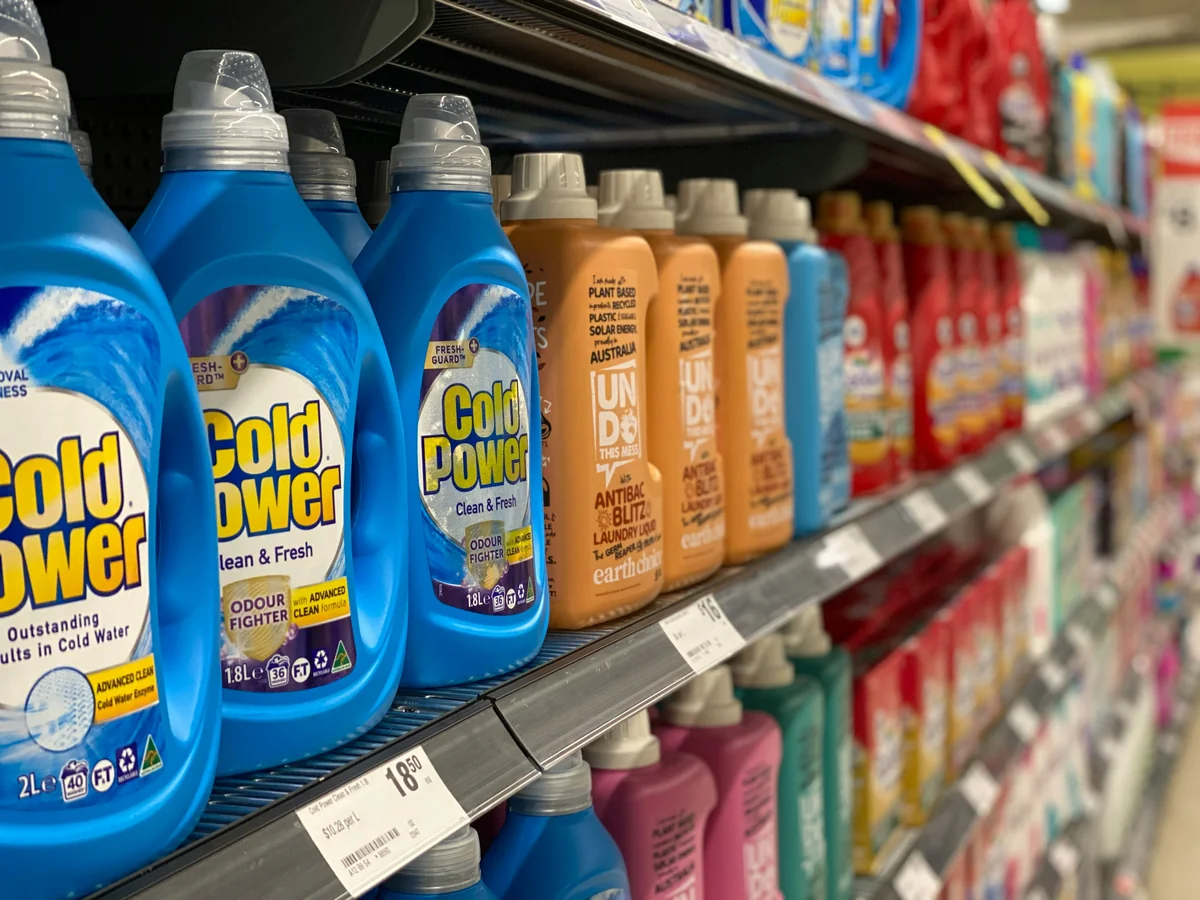
A big part of the approach is reviewing the brands most often recommended by consumers and sustainability experts. While formulas change over time, several names consistently appear in discussions about greener laundry care.
1. Seventh Generation
Seventh Generation is one of the best-known eco-friendly household brands. Its detergents are widely available, often USDA Certified Biobased, and designed with plant-based ingredients. Many consumers like the Free & Clear option for sensitive skin. The company also emphasizes transparency and reduced use of unnecessary additives.
Strengths:
– Easy to find in stores
– Sensitive-skin options
– Good brand trust and ingredient awareness
Potential drawbacks:
– Cleaning performance may vary on heavy stains
– Plastic packaging is still used in many formats
2. ECOS
ECOS is popular for being affordable and broadly accessible. It offers liquid detergents with vegan and cruelty-free positioning, along with some formulas made in carbon-neutral facilities. For shoppers on a budget, ECOS often provides a lower cost per load than many premium green competitors.
Strengths:
– Budget-friendly
– Readily available
– Often gentle on skin
Potential drawbacks:
– Some users find stain removal less powerful than mainstream heavy-duty detergents
– Scent preferences vary
3. Mrs. Meyer’s Clean Day
Mrs. Meyer’s is known for strong brand appeal and garden-inspired fragrances. The detergent is marketed with essential oils and thoughtfully chosen ingredients. For households that want a more pleasant scented laundry experience without moving into conventional detergent territory, this brand often stands out.
Strengths:
– Appealing scents
– Effective for everyday laundry
– Well-known lifestyle brand
Potential drawbacks:
– Fragranced formulas may not suit sensitive skin
– Packaging sustainability is not always its strongest advantage
4. Biokleen
Biokleen has long been respected in the green cleaning space. Its concentrated formulas can offer solid value and reduced packaging waste per load. Some customers appreciate that the brand avoids many common irritants and focuses on simpler ingredient profiles.
Strengths:
– Concentrated formulas
– Good value
– Lower-waste potential
Potential drawbacks:
– Less common in physical retail stores
– May require pretreatment for deep stains
5. Dropps
Dropps helped popularize detergent pods with more sustainable intentions, including cardboard packaging and reduced plastic use. As a pod-based option, it is convenient and easy to dose. This makes it especially attractive for busy households looking for less mess.
Strengths:
– Low-plastic packaging
– Easy-to-use pods
– Good convenience factor
Potential drawbacks:
– Pods can be pricier per load
– Limited dosing flexibility for small or extra-large loads
6. Dirty Labs
Dirty Labs has gained attention as a premium, science-forward eco detergent. It uses enzyme-based cleaning and a highly concentrated formula. People interested in top-tier performance and sophisticated ingredient design often consider it a leader in the category.
Strengths:
– Strong stain-fighting reputation
– Highly concentrated
– Modern formulation approach
Potential drawbacks:
– Premium pricing
– Not always available everywhere
As you can see, it reveals meaningful differences in convenience, scent, cleaning power, and environmental packaging strategy.
Performance, ingredients, and sustainability
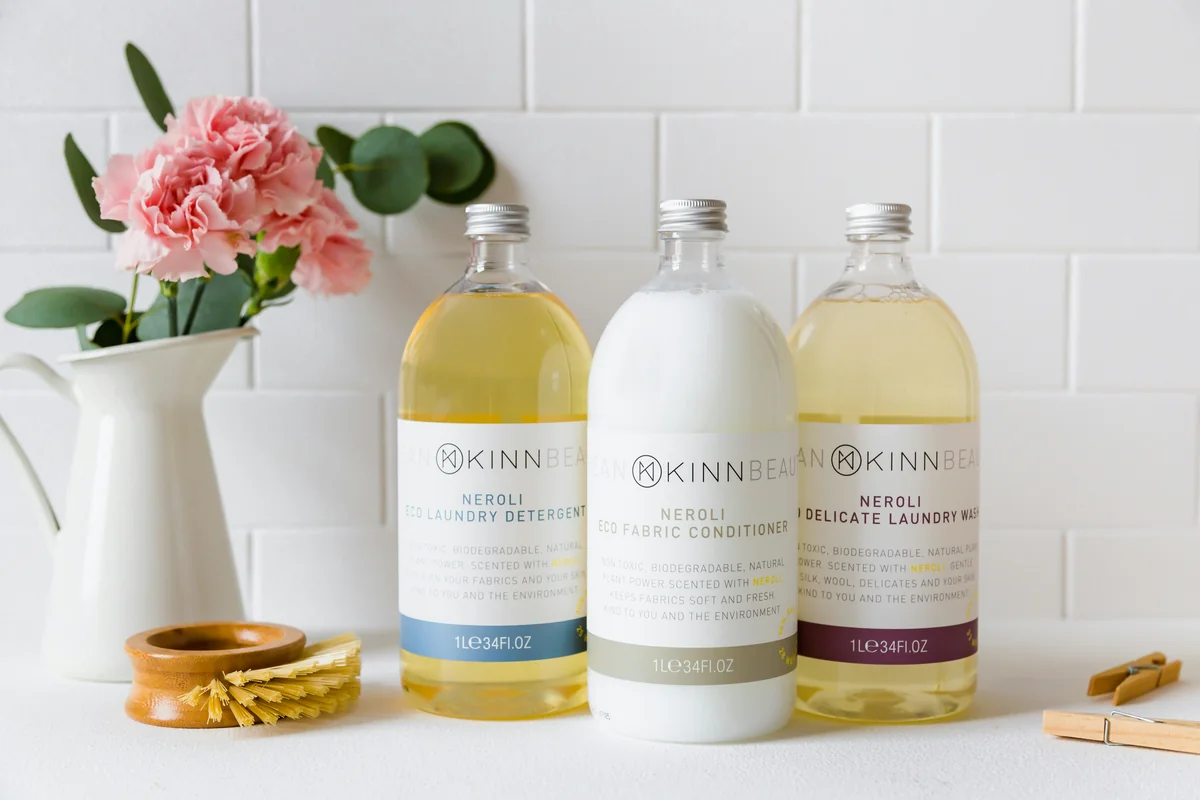
The heart of this is seeing how these products perform in real laundry situations. A detergent can have excellent sustainability claims, but if it fails on odor, stains, or fabric care, many consumers will switch back to conventional alternatives.
Cleaning performance
For everyday loads, most major eco-friendly detergents perform well enough on normal dirt, sweat, and light food stains. The biggest differences tend to appear with:
– Grass stains
– Grease and oil
– Heavy body odor
– Makeup and foundation
– Ground-in dirt
– Protein-based stains like blood or milk
Enzyme-powered formulas such as Dirty Labs often perform especially well here. Concentrated liquids like Biokleen and some Seventh Generation options can also do a strong job when paired with proper dosing and stain pretreatment. In many tests, Comparing the most popular eco-friendly laundry detergents shows that performance improves significantly when users avoid underdosing and wash promptly after stains occur.
Ingredient transparency
One of the most valuable parts of Comparing the most popular eco-friendly laundry detergents is reading ingredient disclosures carefully. The best brands typically list surfactants, enzymes, fragrances, preservatives, and stabilizers more clearly than conventional brands.
Look for:
– Biodegradable surfactants
– Plant-derived cleaning agents
– Enzyme blends for stain removal
– Fragrance-free options
– No phosphates
– No chlorine bleach
– No optical brighteners, if that matters to you
That said, “plant-based” does not automatically mean harmless or ideal for every person. Fragrance allergens, essential oils, and preservatives can still cause irritation in some households.
Packaging and waste
Sustainability goes beyond the detergent itself. Comparing the most popular eco-friendly laundry detergents also means evaluating how each product is shipped, stored, and disposed of.
More sustainable packaging choices may include:
– Recyclable cardboard boxes
– Refillable containers
– Lightweight concentrated formulas
– Aluminum bottles
– Detergent sheets with minimal outer packaging
Brands like Dropps do well in reducing plastic through pod packaging in cardboard, while highly concentrated detergents lower shipping weight and packaging volume. However, detergent sheets and pods can have tradeoffs in cost and flexibility.
Water temperature and machine compatibility
Many eco-friendly detergents are designed to work in cold water, which can save energy over time. High-efficiency washer compatibility is another key feature. When Comparing the most popular eco-friendly laundry detergents, this matters because a good low-sudsing formula can improve rinse performance and reduce residue in HE machines.
Best options by household need
Because every laundry room is different, Comparing the most popular eco-friendly laundry detergents works best when organized by use case rather than by brand reputation alone. Here’s how the leading options often fit specific household needs.

Best for sensitive skin
If skin irritation is your main concern, fragrance-free formulas are usually the safest starting point.
Top picks:
– Seventh Generation Free & Clear
– ECOS Free & Clear
– Biokleen Free & Clear
Why they stand out:
– No added fragrance in selected formulas
– Fewer dyes and unnecessary additives
– Widely recommended for daily use on regular loads
When Comparing the most popular eco-friendly laundry detergents, sensitive-skin users should also avoid overusing detergent, since residue can contribute to irritation even with gentler formulas.
Best for stain removal
For active families, athletes, and homes with kids, performance often matters most.
Top picks:
– Dirty Labs
– Biokleen
– Seventh Generation Ultra Concentrated
Why they stand out:
– Enzyme support in some formulas
– Better results on grease, sweat, and food stains
– Effective concentrated cleaning power
For maximum results, pretreat visible stains before washing. Even the strongest green detergent may struggle if stains sit for days.
Best budget option
Eco-friendly products are sometimes seen as expensive, but there are affordable choices.
Top picks:
– ECOS
– Biokleen concentrated formulas
Why they stand out:
– Competitive cost per load
– Larger bottles often reduce price over time
– Good performance for routine laundry
In many households, Comparing the most popular eco-friendly laundry detergents shows that value depends more on cost per wash than sticker price alone.
Best low-waste option
If your top priority is reducing plastic and shipping waste, packaging matters just as much as ingredients.
Top picks:
– Dropps
– Concentrated detergents in minimal packaging
– Brands offering refill systems
Why they stand out:
– Less plastic waste
– More efficient shipping
– Convenient storage
Still, low-waste shoppers should confirm whether all components are truly recyclable or compostable in their local area.
Best scented eco-friendly choice
Some consumers want greener detergent without giving up a fresh laundry scent.
Top picks:
– Mrs. Meyer’s Clean Day
– Dirty Labs scented varieties
Why they stand out:
– More distinctive scent profiles
– Elevated user experience
– Good for households that enjoy fragranced fabrics
However, fragrance remains a common irritant, so this category is more subjective than others.
How to choose the right detergent for your home
The practical side of Comparing the most popular eco-friendly laundry detergents is matching product features to your actual laundry habits. Before you buy, ask yourself these questions:
1. How dirty are your clothes?
If you mostly wash office wear, pajamas, towels, and lightly soiled clothing, many eco-friendly detergents will perform well. If you regularly wash sports uniforms, workwear, cloth diapers, or heavily stained children’s clothing, prioritize stronger enzyme formulas.
2. Do you have skin sensitivities?
Households with eczema, allergies, or fragrance sensitivity should focus on free-and-clear formulas. This is one of the clearest patterns that appears when Comparing the most popular eco-friendly laundry detergents across customer reviews and product labels.
3. What matters more: zero waste or low price?
Some of the most sustainable packaging formats cost more per load. Others may be affordable but rely more heavily on plastic bottles. Decide which factor matters most to you.
4. Do you use cold water?
If yes, choose a detergent specifically designed to dissolve and clean well in cold cycles. This improves efficiency and supports energy savings.
5. Do you prefer liquid, pods, powder, or sheets?
Each format has tradeoffs:
– Liquid: Flexible dosing, easy pretreating, common availability
– Pods: Convenient and mess-free, but less adjustable
– Powder: Can be economical and lower-waste, but must dissolve properly
– Sheets: Ultra-light packaging, but performance varies by brand
By this point, Comparing the most popular eco-friendly laundry detergents should make one thing clear: the best detergent is the one you’ll use consistently and correctly.
FAQ
What should I look for when comparing eco-friendly laundry detergents?
When Comparing the most popular eco-friendly laundry detergents, focus on ingredients, certifications, packaging, cost per load, washer compatibility, and stain performance. Also consider whether you need fragrance-free formulas for sensitive skin or a stronger enzyme detergent for tough laundry.
Are eco-friendly laundry detergents as effective as regular detergents?
Yes, many are effective for daily washing. However, Comparing the most popular eco-friendly laundry detergents shows that performance can vary more on grease, grass, and deeply set stains. Premium concentrated or enzyme-based formulas often close the gap with conventional detergents.
Which eco-friendly laundry detergent is best for sensitive skin?
Fragrance-free options from brands like Seventh Generation, ECOS, and Biokleen are often strong choices. When Comparing the most popular eco-friendly laundry detergents, products labeled Free & Clear usually rank best for households trying to reduce irritation.
Are detergent pods and sheets more sustainable than liquid detergent?
Sometimes, but not always. Comparing the most popular eco-friendly laundry detergents in different formats shows that cardboard-packaged pods and lightweight sheets can reduce plastic and shipping impact. Still, formula effectiveness, ingredient safety, and local recycling options also matter.
Why do some eco-friendly detergents cost more?
Greener ingredients, concentrated formulas, better packaging, and smaller-scale production can increase cost. But Comparing the most popular eco-friendly laundry detergents by price per load often reveals that some premium products are still competitive because you use less detergent per wash.
Conclusion
For shoppers who want cleaner clothes and a lower environmental footprint, Comparing the most popular eco-friendly laundry detergents is the smartest way to cut through greenwashing and find a product that truly fits their needs. The best options differ depending on whether you prioritize stain removal, skin sensitivity, scent, affordability, or low-waste packaging.
Overall, Seventh Generation and ECOS remain strong mainstream choices, Biokleen offers dependable value, Dropps stands out for convenience and packaging, Mrs. Meyer’s appeals to fragrance lovers, and Dirty Labs impresses with premium cleaning performance. In the end, Comparing the most popular eco-friendly laundry detergents shows that the right detergent is the one that balances sustainability, effectiveness, and practicality for your specific household.